
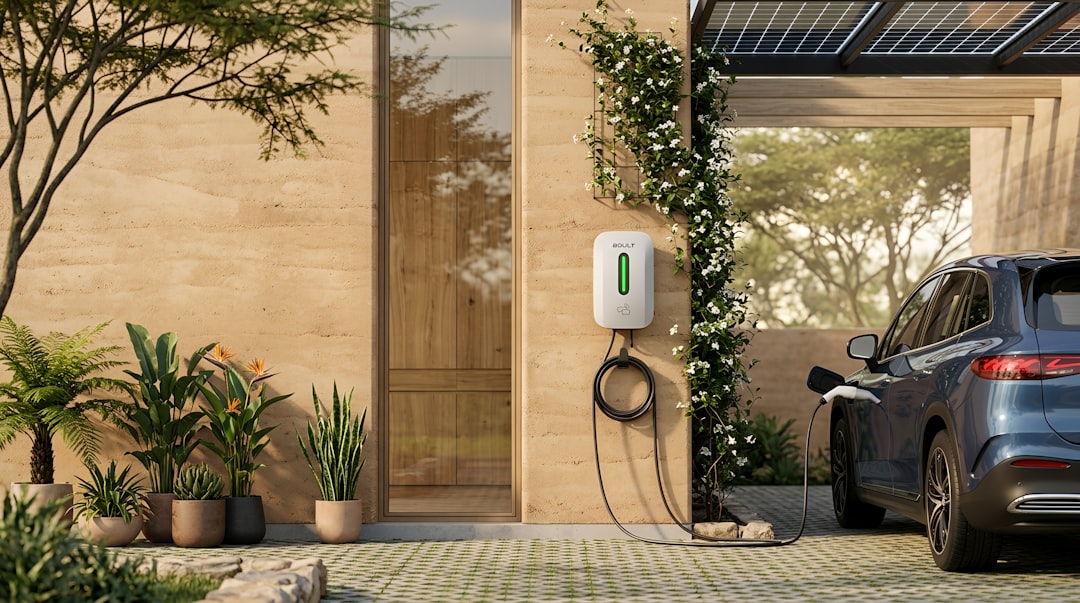

Worried about increasing electricity costs ? And you've got an EV or are planning to buy one? Want to stay committed to being fully renewable and green.
Combining solar power with EV charging is a seriously smart move. It can save you a lot of money in the long run and it’s good for the environment, too. But how does it all work? Let's break it down in a way that's easy to understand.
Why Bundle Solar and EV Charging?
Let’s be honest: electricity bills in India can be a pain. Especially if you're charging an EV regularly. Solar panels can drastically cut down your reliance on grid electricity. Think of it this way: you're essentially fueling your car with sunshine.
Here's why it makes sense:
- Save Money: The most obvious benefit. You'll significantly reduce your electricity bills. How much? That depends on your solar panel setup and how much you drive, but savings can be substantial – potentially thousands of rupees every month.
- Eco-Friendly: Reduce your carbon footprint by using renewable energy. It's a good feeling, knowing you're driving clean.
- Increased Home Value: Solar panels are becoming increasingly attractive to homebuyers. It can be a selling point if you decide to move in the future.
Understanding Your Power Needs
Before you jump into buying anything, you need to understand how much electricity you're actually using. This involves two key things: your home's energy consumption and your EV's charging needs.
Home Energy Audit
Take a look at your past electricity bills. This will give you a baseline for your average monthly usage. Also, consider any major appliances you use regularly – ACs, geysers, washing machines, etc. These all contribute to your overall energy demand.
EV Charging Requirements
How much electricity does your EV consume? This depends on the car's battery size and how often you drive. A typical EV might need anywhere from 30 to 50 kWh for a full charge. If you're charging every day, that adds up quickly.
Pro Tip: Check your EV's manual for its energy consumption figures. You can also use online calculators to estimate your charging needs based on your driving habits.
Sizing Your Solar Panel System
This is where things get a little technical, but don't worry, we'll keep it simple. The goal is to install a solar panel system that can generate enough electricity to cover both your home's needs and your EV charging requirements.
Calculating Solar Panel Output
The amount of electricity your solar panels produce depends on several factors: the size of the system (measured in kilowatts or kW), the amount of sunlight your area receives, and the efficiency of the panels themselves. A good rule of thumb is that a 1 kW solar panel system in India can generate around 4-5 kWh of electricity per day, on average. This will vary slightly depending on location. Talk to your installer about your specific location.
Matching Solar to EV Charging
Let's say your home consumes 10 kWh per day, and your EV needs another 10 kWh for daily charging. That's a total of 20 kWh. To generate that much electricity, you'd need a solar panel system of around 4-5 kW. This is a rough estimate, of course. Get a professional assessment for a more accurate calculation.
Choosing the Right EV Charger
Now, let's talk about EV chargers. There are basically three types: Level 1, Level 2, and DC Fast Chargers. For home use, you'll typically be looking at Level 1 or Level 2 chargers.
Level 1 Chargers
These are your standard wall socket chargers like your 16A EV Charger usually accompanied with the car. They're slow, adding only a few kilometers of range per hour of charging. Fine for overnight top-ups, but not ideal for daily charging if you drive a lot.
Level 2 Chargers
These are faster, requiring a dedicated 32A connection. They can add significantly more range per hour, making them a better choice for most EV owners. A 7.5kW charger is a common option for home use. You'll need to get your wiring checked and possibly upgraded by an electrician.
Smart Chargers
Consider a smart charger. These connect to your Wi-Fi and offer features like remote monitoring, scheduling, and load balancing. Load balancing is particularly useful if you're running your EV charger and other high-power appliances on the same circuit.
Installation and Costs
Installing solar panels and an EV charger involves several steps and costs. Let's break it down:
Solar Panel Installation
This includes the cost of the panels themselves, inverters, mounting hardware, and labor. A typical 5kW solar panel system in India might cost anywhere from ₹1.5 lakh to ₹2.5 lakh, depending on the brand and quality of the components. Make sure you get quotes from multiple installers.
EV Charger Installation
The cost of the charger itself can range from ₹15,000 to ₹40,000, depending on the type and features. Installation costs will depend on your existing wiring and whether you need to upgrade your meter box. Factor in another ₹5,000 to ₹15,000 for installation.
Important: Always use a qualified electrician for any electrical work. Safety first!
Net Metering and Government Subsidies
Net metering is a system where you can send excess electricity generated by your solar panels back to the grid and get credited for it. This can further reduce your electricity bills. Check with your local electricity distribution company (discom) for net metering policies and eligibility.
The government also offers subsidies for solar panel installations. These subsidies can help offset the initial cost of the system. Look into both central and state government schemes.
Things to Keep in Mind
- Roof Space: Make sure you have enough roof space to accommodate the solar panels.
- Sunlight: Your roof should receive ample sunlight throughout the day.
- Wiring: Ensure your home's electrical wiring can handle the additional load of the EV charger and solar panel system.
- Maintenance: Solar panels require minimal maintenance, but you should clean them periodically to remove dust and debris.
Is it worth it?
Bundling solar panels and an EV charger is a significant investment, no doubt. But the long-term savings and environmental benefits can make it a worthwhile one. Do your research, get quotes from multiple installers, and understand your power needs. With careful planning, you can drive electric powered by the sun!


