
Resources
EV charging, explained.
Guides, articles, case studies and plain answers on choosing, installing and running an EV charger in India.
New in the library
Latest reads
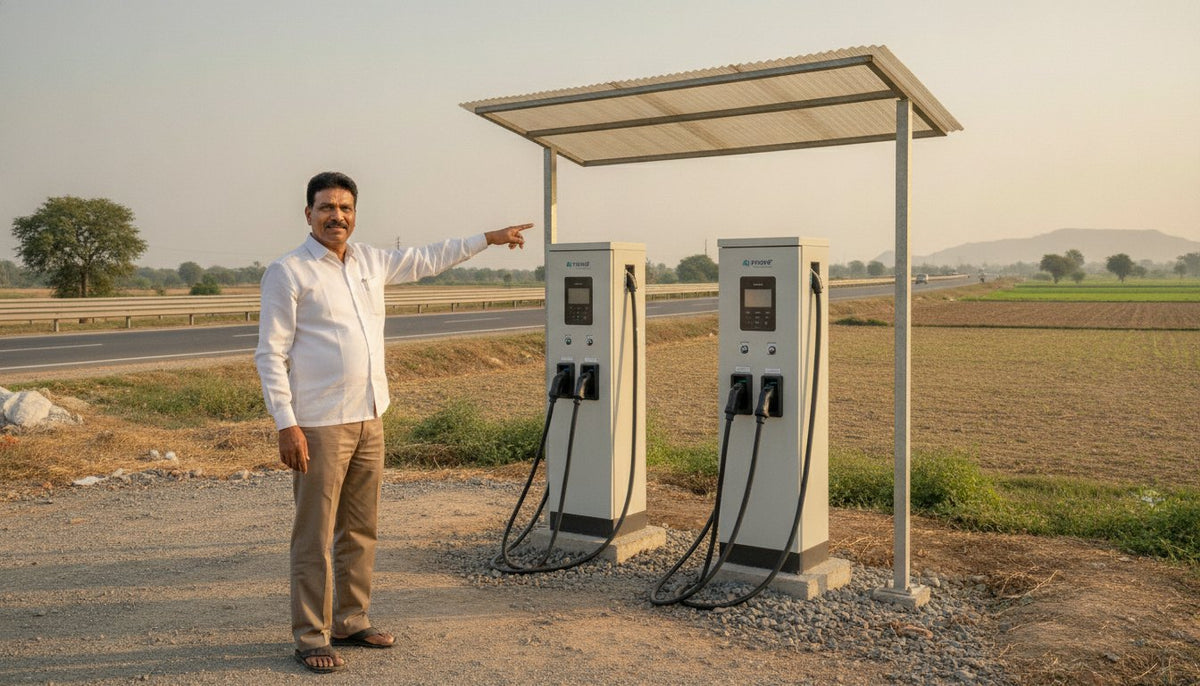
हाईवे या बड़ी सड़क के पास ज़मीन है? अपनी ज़मीन पर EV चार्जिंग स्टेशन कैसे लगवाएँ
ज़मीन का मालिक खुद स्टेशन बनाकर पूरी कमाई रख सकता है, या किसी स्टेशन मालिक को ज़मीन देकर हर सेशन का हिस्सा ले सकता है। दोनों कैसे काम करते हैं, हिस्सा कैसे बनता और...
Read it-
UPI चार्जिंग: बिना ऐप, बिना वॉलेट और बिना रिफ़ंड के EV चार्जर पर पेमेंट कैसे होता है
-
क्या EV चार्जिंग स्टेशन चलाने के लिए फ्रैंचाइज़ी ज़रूरी है? एक सीधी, ईमानदार बात
-
Questions to ask any EV charging company before you sign
-

Have land by a highway or a busy road? How hosting an EV charging station works

Guides
Step-by-step help
Practical walkthroughs for the problems owners actually meet: sanctioned load, earthing, power drops, app set-up and more.
All 53 guides- हाईवे या बड़ी सड़क के पास ज़मीन है? अपनी ज़मीन पर EV चार्जिंग स्टेशन कैसे लगवाएँ4 min read
- UPI चार्जिंग: बिना ऐप, बिना वॉलेट और बिना रिफ़ंड के EV चार्जर पर पेमेंट कैसे होता है5 min read
- क्या EV चार्जिंग स्टेशन चलाने के लिए फ्रैंचाइज़ी ज़रूरी है? एक सीधी, ईमानदार बात6 min read
- Questions to ask any EV charging company before you sign3 min read
- Have land by a highway or a busy road? How hosting an EV charging station works4 min read
- What EV charging station software should do for you: a plain guide for owners5 min read
Blog
From the blog
Charger safety, wiring, costs and everyday use.
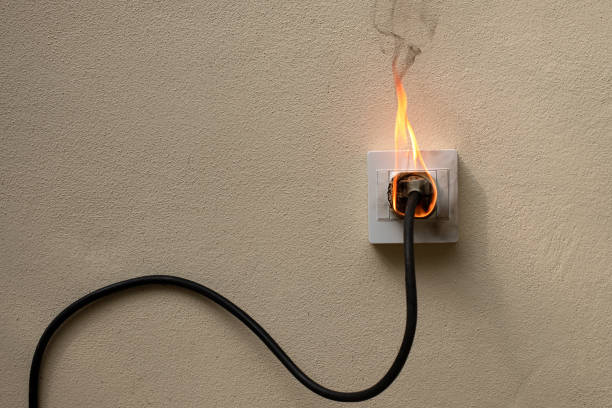
My EV Charger Socket Melted, But the Charger Works: What to Do?
You plug in your EV at home, everything seems normal. But later, you notice a strange smell, or perhaps the charging stops. When you...
Read article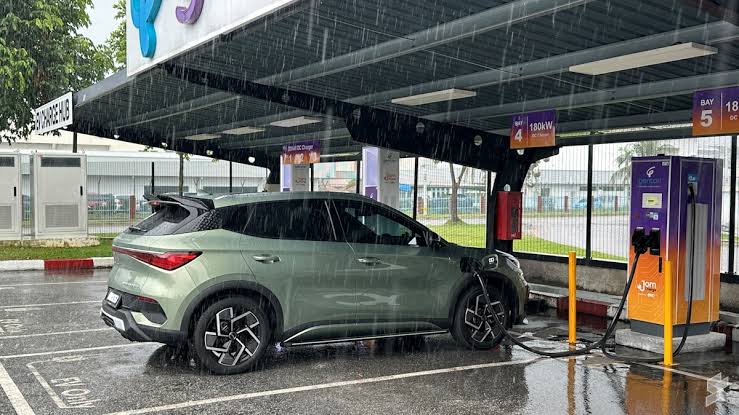
Monsoon-Ready EV Charging: Why Full Roofs Matter at Commercial and Society Charging Stations
It doesn't take a major design flaw to ruin the charging experience. Sometimes, it's something as simple as not having enough shelter from the...
Read article
Moving Houses? How to Safely Relocate Your EV Charger Without Voiding Warranty
Someone I know, recently got installed an EV charger at their home. Barely had they moved in, they had to shift to a new...
Read articleCase studies
How businesses set up charging
Offices, hotels, fleets and housing societies that charge with Zevpoint.


Quick answers
Questions we hear most
The basics of charging at home and at work, in plain words.
All tips and FAQsHow does an electric car charge at home in India?
An electric car charges at home using an AC charger, which supplies electricity to the car. Inside the car, an onboard charger (OBC) converts this AC power into DC, which the battery can store. For most Indian EV owners, home charging is the most convenient and economical option.
What is the difference between AC charging and DC fast charging?
AC chargers send power to your car's built-in onboard converter — slower but affordable, ideal for overnight home use. DC chargers bypass the onboard converter entirely, feeding power directly to the battery at much higher speeds — perfect for highway stops and commercial locations.
Who decides the charging speed — the charger or the car?
Both play a role! The actual charging speed is determined by the lower value between what the charger can supply and what the car's onboard charger can accept. For example, if your car supports 7.2kW AC charging but you use a 3.6kW charger, the speed will be limited to 3.6kW.
Can I use a regular power socket to charge my EV?
Technically yes, but it's not recommended for regular use. Standard 5A/15A sockets charge extremely slowly (8–20+ hours for a full charge) and may not have adequate earthing or circuit protection. A dedicated EV charger is safer, faster, and designed for daily use.
Can I install an EV charger at my apartment or housing society?
Yes! Many apartments and housing societies across India are now EV-friendly. You'll need permission from your RWA or management committee. Zevpoint helps with the entire process — site survey, proposal preparation, electrical assessment, and installation. We handle the paperwork so you don't have to.
What is OCPP and why does it matter?
OCPP (Open Charge Point Protocol) is an open communication standard that allows EV chargers to connect with any compatible management software. Without OCPP, you might be locked into a single vendor's ecosystem. With Zevpoint's OCPP-compliant chargers, you get full flexibility and future-proofing.
Not sure which charger suits your car?
Tell us your car and where you park it. We will point you to the right charger.