
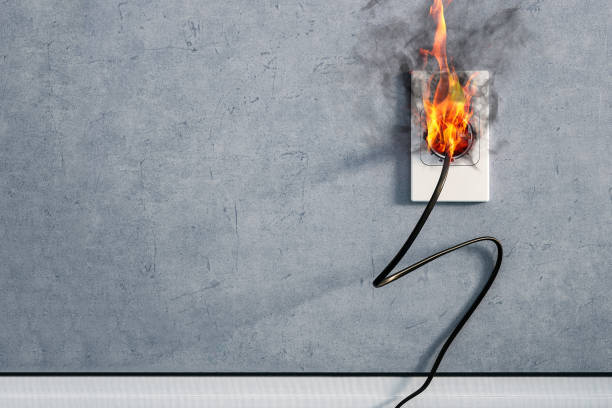

That burning smell and the worry that follows – it’s a real concern for EV owners charging at home. If your home socket feels unusually hot while charging your electric vehicle, don't ignore it. It's a sign that something is wrong, and continuing to charge could lead to a fire.
This guide will help you understand why your socket is overheating, what you can do about it, and how to ensure safe EV charging at home. This isn't just about your car; it's about the safety of your home and family.
Why is My Socket Overheating?
There are several reasons why your home socket might be overheating while charging your EV. It usually boils down to one thing: the socket and wiring can't handle the sustained electrical load.
Old or Damaged Wiring
Many homes in India, especially older ones, have outdated electrical wiring. The wires might be too thin for the current needed to charge an EV, or the insulation might be damaged. Over time, this can lead to overheating. Furthermore, using a 32A charger on a 16A socket will definitely lead to a burnout.
Loose Connections
Loose wiring connections in the socket or junction box create resistance. This resistance turns into heat. It's like rubbing your hands together really fast – friction creates heat.
Overloaded Circuit
Each circuit in your home has a maximum load it can handle. If you're running multiple appliances on the same circuit while charging your EV, you could be overloading it. Think of it like trying to force too much water through a narrow pipe.
Poor Quality Socket
Not all sockets are created equal. Cheap, low-quality sockets might not be able to handle the continuous current draw of EV charging. They can overheat and even melt.
The Dangers of Overheating Sockets
An overheating socket isn't just an inconvenience; it's a serious fire hazard. The heat can melt the socket, damage the wiring, and even ignite nearby materials. Don't take this lightly.
- Fire: The most obvious danger. Overheated wiring can easily start a fire, especially if there's flammable material nearby.
- Electrical Shock: Damaged wiring exposes live wires, creating a risk of electric shock.
- Damage to Your EV: Inconsistent power supply from a faulty socket can damage your EV's battery and charging system.
What to Do If Your Socket is Overheating
If you notice your socket is overheating, stop charging immediately! Here's what you should do:
- Unplug the Charger: Safely disconnect the EV charger from the socket.
- Turn Off the MCB: Go to your meter box and switch off the MCB (Miniature Circuit Breaker) for that circuit. This will cut off the power supply.
- Call an Electrician: This is not a DIY job. Contact a qualified electrician to inspect the wiring and socket.
Preventing Overheating: A Safety Checklist
Prevention is always better than cure. Here's how to prevent your home socket from overheating while charging your EV:
- Get Your Wiring Inspected: Have a qualified electrician inspect your home's electrical wiring, especially if it's old. They can identify potential problems and recommend upgrades.
- Use a Dedicated Circuit: Ideally, your EV charger should have its own dedicated circuit with appropriate wiring and a correctly rated MCB. This prevents overloading.
- Install a High-Quality Socket: Use a heavy-duty, ISI-marked socket designed for continuous high-current loads. Don't cheap out on this.
- Check for Loose Connections: Regularly inspect the socket and wiring connections for any signs of looseness or damage.
- Don't Overload the Circuit: Avoid running other high-power appliances on the same circuit while charging your EV.
- Consider a Home Charger: A dedicated EV home charger is designed for the specific demands of EV charging. They offer better safety features and faster charging speeds compared to using a standard socket.
Home Chargers: A Safer and Better Option
While charging from a regular socket is possible, it's not the ideal solution for long-term EV ownership. A dedicated home EV charger offers several advantages:
- Safety: Home chargers have built-in safety features like overcurrent protection, surge protection, and ground fault detection.
- Faster Charging: Home chargers typically offer faster charging speeds compared to a standard socket. A 7.5kW charger will charge your EV much faster than a 3.3kW socket.
- Convenience: You can schedule charging sessions and monitor your energy consumption.
Think of it this way: you wouldn't run your AC on an extension cord meant for a lamp, right? Similarly, a dedicated charger is the right tool for the job of charging your EV.
Understanding the Costs
Upgrading your home's electrical system and installing a dedicated EV charger involves some upfront costs. However, it's an investment in safety and convenience. Here's a rough idea:
- Electrical Inspection: Rs 500 - Rs 1500
- Wiring Upgrade (if needed): Rs 5000 - Rs 15000 (depending on the extent of the work)
- Dedicated EV Charger: Rs 14000 - Rs 45000 (depending on the brand and features)
- Installation Charges: Rs 1500 - Rs 5000
Consider this: a small fire can easily cause damage worth lakhs. Investing in proper electrical infrastructure is a worthwhile expense.
Final Thoughts
Charging your EV at home should be convenient and safe. If you're experiencing overheating sockets, don't ignore the problem. Take immediate action to prevent a potential fire. Consult a qualified electrician, consider installing a dedicated EV charger, and prioritize safety above all else.
Ask your electrician: What is the current load capacity of my home's electrical system, and what upgrades are needed to safely charge an EV?


