
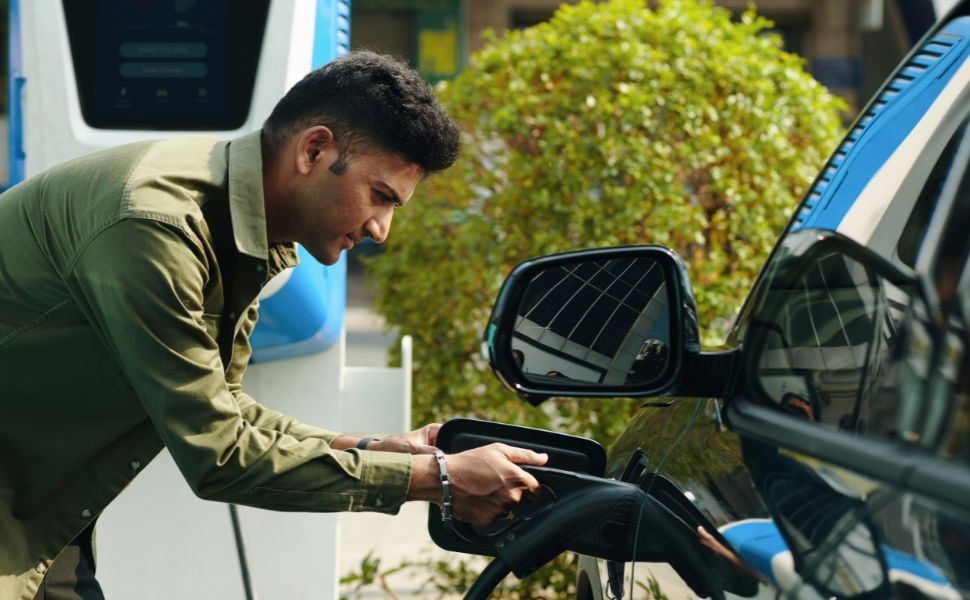

Voltage fluctuations and power cuts can damage your EV charger. Using a stabilizer, surge protector, or a charger with built-in protection can save you money and hassle in the long run. Think of it as an insurance policy for your EV charging setup.
So, you've got yourself an electric vehicle! Welcome to the club! Charging at home is super convenient, right? But what happens when the power company decides to play hide-and-seek, or the voltage starts doing the limbo? Let's talk about keeping your EV charger safe from those pesky voltage fluctuations and power cuts that are all too common here in India.
Understanding the Problem: Why Voltage Matters
Imagine your EV charger is like your phone charger. Now, imagine plugging your phone into a socket that's sometimes giving too much power and sometimes too little. Not good, right? Same thing with your EV charger. Voltage fluctuations – those ups and downs in the electricity supply – can seriously mess with its internal components.
And power cuts? Well, those can cause sudden shutdowns that can also damage the charger over time. Think of it like repeatedly yanking the plug out of your TV while it's on. Eventually, something's gotta give.
Here's the thing: EV chargers are designed to work within a specific voltage range, usually around 220-240V in India. When the voltage goes outside this range, the charger can get stressed, overheat, or even fail completely. And trust me, replacing an EV charger is not cheap we're talking several thousand rupees, possibly even crossing a lakh for some models.
Common Voltage Issues in India
Let's be real, power quality in India isn't always the best, especially if you live outside the main city centers. Here are a few common scenarios:
- Voltage fluctuations: These are common, especially during peak hours when everyone's using electricity. You might notice your lights dimming or flickering – that's a sign of voltage fluctuation.
- Power surges: These are sudden, short bursts of high voltage, often caused by lightning strikes or equipment switching on and off.
- Power cuts: Load shedding, maintenance, or just plain old grid failures – we've all been there.
Solutions to Protect Your EV Charger
Okay, so what can you do to protect your precious EV charger (and your wallet)? Here are a few options:
1. Voltage Stabilizers: Your Charger's Bodyguard
A voltage stabilizer is like a bodyguard for your charger. It automatically regulates the voltage, ensuring that your charger always gets a stable and safe supply of power, even if the voltage from the grid is fluctuating like crazy. These are widely available online and in electrical stores, ranging from ₹2,000 to ₹10,000 depending on the capacity and features. Make sure to get one that's rated for the power consumption of your EV charger.
2. Surge Protectors: Shield Against Spikes
A surge protector is designed to protect against sudden voltage spikes, like those caused by lightning. It diverts the excess voltage away from your charger, preventing it from getting fried. Look for surge protectors specifically designed for sensitive electronics. While a standard spike buster might offer some protection, a dedicated surge protector provides a higher level of defense.
3. Chargers with Built-in Protection: The All-in-One Solution
Some EV chargers come with built-in voltage protection. These chargers are designed to automatically shut down if the voltage goes outside the safe range, preventing damage to the charger itself. ZEVpoint chargers, for instance, come with multiple layers of protection against over-voltage, under-voltage, and surges. This is a great option if you want a hassle-free solution that doesn't require any extra equipment.
4. Proper Wiring and Grounding: The Foundation of Safety
This is a big one! Make sure your home's electrical wiring is up to the task of handling an EV charger. Old or faulty wiring can cause voltage drops and increase the risk of overheating. Also, proper grounding is essential for safety. If you're not sure about your home's wiring, get a qualified electrician to inspect it before you install an EV charger. This might cost you a few thousand rupees upfront, but it's worth it for the peace of mind.
5. Unplug During Storms: When in Doubt, Disconnect
This is a simple but effective tip. If there's a thunderstorm, especially with lightning, it's best to unplug your EV charger altogether. Lightning strikes can cause massive power surges that can overwhelm even the best surge protectors.
Real-World Scenarios and Solutions
Let's look at a few common situations:
- Scenario: You live in an area with frequent power cuts.
- Solution: Invest in a charger with auto-restart functionality. This will automatically resume charging when the power comes back on, so you don't have to manually restart it every time.
- Scenario: You notice your lights flickering frequently.
- Solution: This is a sign of voltage fluctuations. Get a voltage stabilizer installed.
- Scenario: You're worried about lightning strikes.
- Solution: Use a surge protector and unplug your charger during storms.
Choosing the Right Charger
When you're buying an EV charger, don't just look at the price and charging speed. Consider the safety features as well.
- Does it have built-in voltage protection?
- Is it designed to handle the harsh Indian climate?
A slightly more expensive charger with better protection can save you a lot of money in the long run. Think of it as an investment, not just an expense.
Also, check for certifications. Chargers certified by reputable organizations have been tested to meet certain safety standards.
The Bottom Line
Protecting your EV charger from voltage fluctuations and power cuts is crucial for ensuring its longevity and your safety. By taking a few simple steps, like using a stabilizer, surge protector, or choosing a charger with built-in protection, you can avoid costly repairs and keep your EV charging smoothly.
A little bit of prevention can save you a lot of hassle and money down the road.
Drive safe, and charge safe!


