
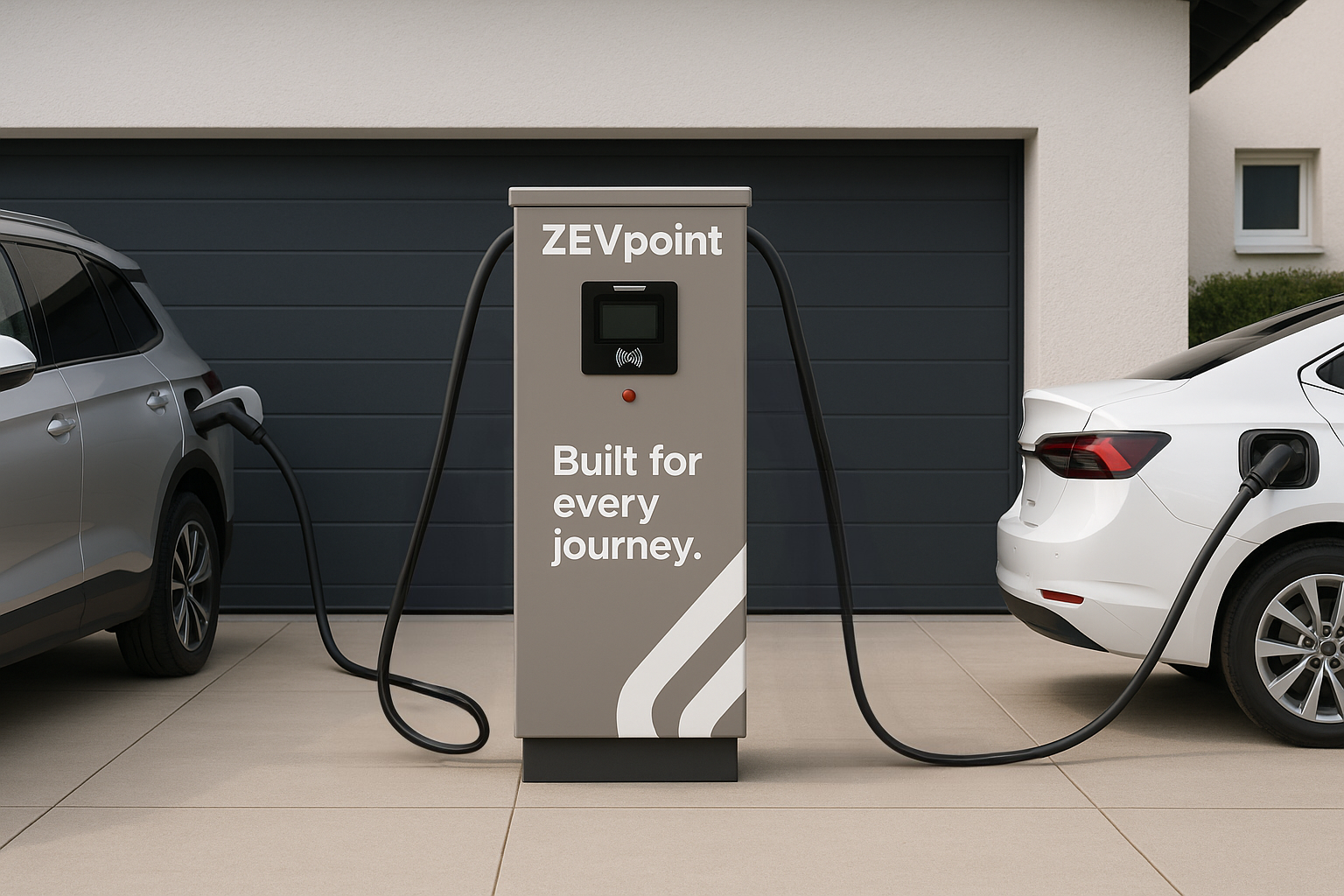

EV Charging, basics, India, Electric VehicleIndia's electric vehicle revolution is accelerating — with over 1.76 lakh electric cars sold in 2025 alone and 29,000+ public charging stations across the country. Whether you just bought your first EV or you're considering making the switch, understanding how EV charging works in India is essential.
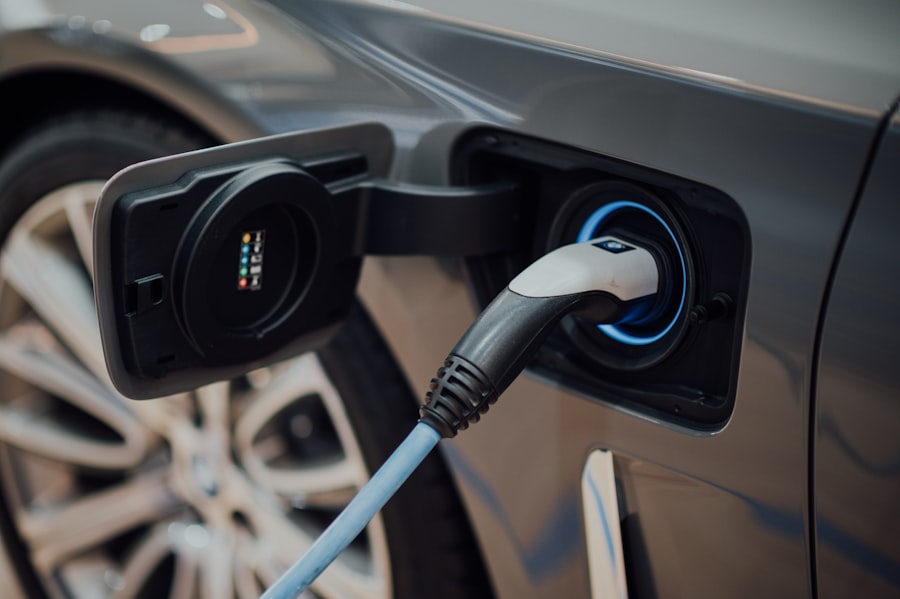
The Three Levels of EV Charging
Level 1 — Portable / Home Socket Charging (230V AC)
Every Electric car in India comes with a portable charger that plugs into a standard 16A household socket (230V). It's the slowest method, adding roughly 8–12 km of range per hour.
Best for: Emergency or overnight charging at home for smaller battery sizes. For example: Tata Tiago.
Level 2 — AC Charging Station (7 kW – 22 kW)
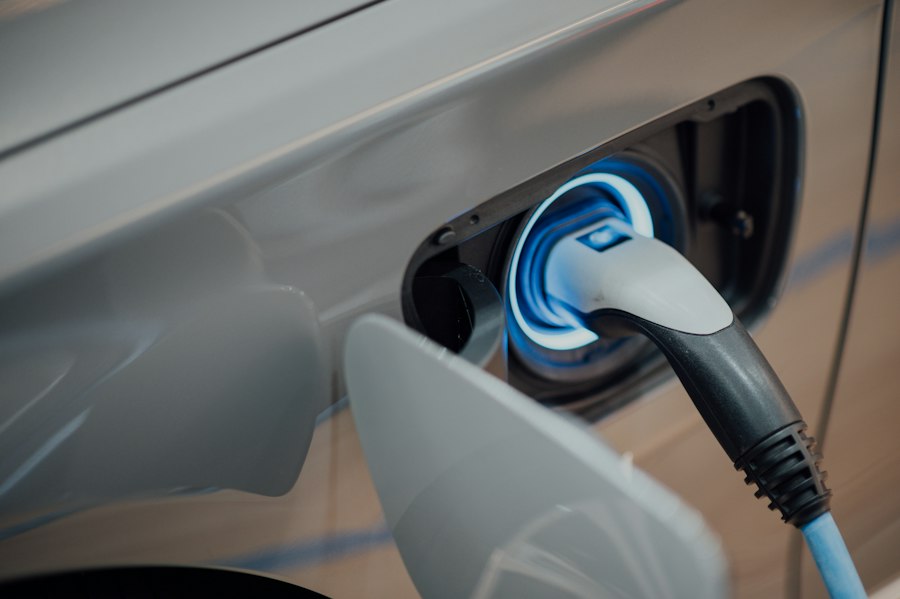
Level 2 chargers use a dedicated AC supply and a Type 2 connector IEC62196. They add 25–80 km of range per hour depending on power output.
Best for: Home charging, workplaces, malls, hotels, and apartment complexes. This is the most practical daily charging solution for Indian EV owners.
Level 3 — DC Fast Charging (25 kW – 240 kW)
DC fast chargers use the CCS2 connector (India's BIS standard for DC charging) and deliver power directly to the battery. They can add 100–200 km of range in just 30–45 minutes.
Best for: Highway corridors, fleet depots, and quick top-ups during long drives.
EV Charging Connectors Used in India
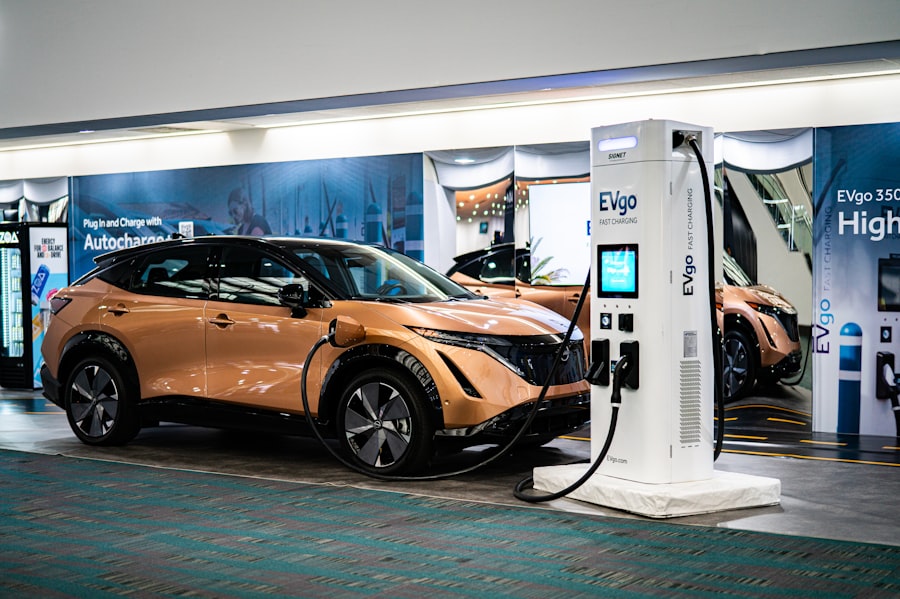
The Bureau of Indian Standards (BIS) has standardised two connector types for India:
| Connector | Type | Used By |
|---|---|---|
| Type 2 (Mennekes) | AC Charging (up to 22 kW) | Tata Nexon EV, MG ZS EV, Hyundai Ioniq 5, BYD Atto 3, Mahindra XEV 9e |
| CCS2 (Combined Charging System) | DC Fast Charging (25–240 kW) | All major EVs in India — CCS2 is a Type 2 socket with two DC pins added below |
| Bharat AC/DC | India-specific standard | Older government-installed chargers (being phased out in favour of CCS2/Type 2) |
Key point: Almost every new EV sold in India — from the Tata Nexon EV to the Mercedes EQS — uses a CCS2/Type 2 combo inlet. This means the same port handles both slow AC and fast DC charging.
How Long Does Charging Take?
Charging time depends on your car's battery size, the charger's power output, and your car's maximum acceptance rate.
| Charger Type | Power | Time for 10–80% (40 kWh battery) |
|---|---|---|
| Home Socket (portable) | 3.3 kW | ~12–14 hours |
| Home Wallbox (AC) | 7.4 kW | ~4–5 hours |
| Public AC (Level 2) | 11–22 kW | ~1.5–3 hours |
| DC Fast Charger | 50 kW | ~35–45 minutes |
| DC Ultra-Fast | 150 kW | ~15–20 minutes |
How Much Does EV Charging Cost in India?
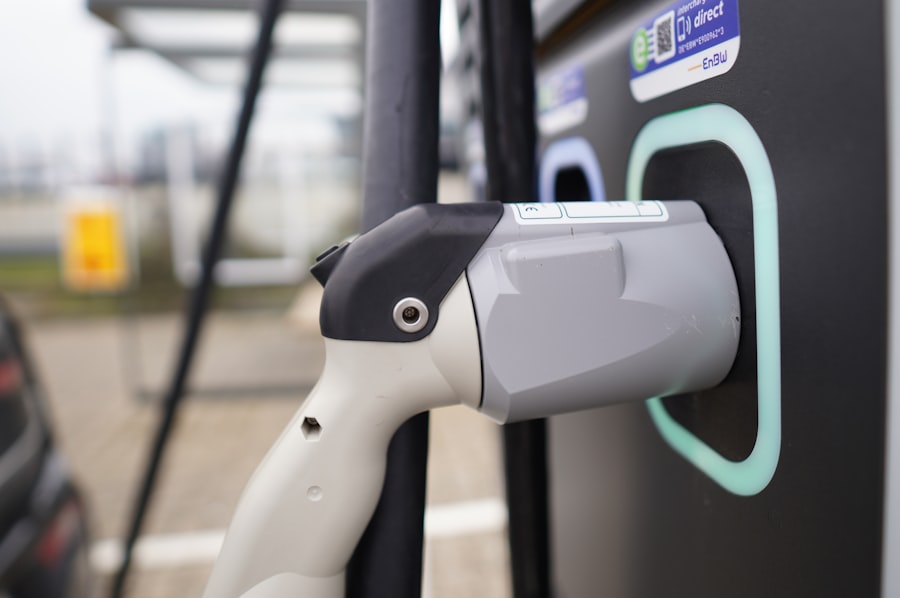
One of the biggest advantages of driving electric in India is the dramatically lower running cost compared to petrol or diesel.
| Charging Method | Cost per kWh | Full Charge Cost (40 kWh) |
|---|---|---|
| Home charging (domestic tariff) | ₹5–₹8/kWh | ₹200–₹320 |
| Public AC charging | ₹12–₹18/kWh | ₹480–₹720 |
| DC Fast charging | ₹18–₹25/kWh | ₹720–₹1,000 |
For comparison: Running a petrol car for the same 300 km range would cost approximately ₹2,500–₹3,000 at current fuel prices. That's 3–5x more expensive than charging an EV at home.
Several states like Delhi (₹4.5/kWh), Maharashtra, Gujarat, and Karnataka offer concessional EV tariffs to encourage adoption.
India's Charging Network: Where Can You Charge?
India's public charging infrastructure has grown rapidly:
- 29,000+ public charging stations operational across India (as of 2025)
- 91% of national highways now have a fast charger within 50 km
- Karnataka leads with 6,000+ stations, followed by Maharashtra and Uttar Pradesh
- Major networks: Tata Power EZ Charge (5,500+ points in 550+ cities), ChargeZone (3,200+ points), Adani, EESL, and Bolt.Earth
You can find nearby chargers using apps like Tata Power EZ Charge, ChargeZone, Zevpoint, or Google Maps (which now shows EV charging stations in India).
Can You Charge at Home in India?
Yes — and most Indian EV owners charge at home 80% of the time.
- Portable charger: Every EV comes with one. Just plug into a 15A socket — no installation needed. Ideal for apartments with dedicated parking.
- Home wallbox (7.4/11 kW): Requires a dedicated circuit from your distribution board. An electrician can install it in 2–4 hours. Cost: ₹25,000–₹50,000 on an average including the unit.
If you live in an apartment, check with your RWA/society about installing a dedicated charging point in your parking bay. Most states have guidelines requiring societies to permit EV charger installation.
Key Takeaways
- Type 2 + CCS2 is the Indian standard — every new EV uses it
- Home charging (₹200–₹320 per full charge) is 3–5x cheaper than petrol
- 29,000+ public chargers and growing fast with government backing
- AC Level 2 is the daily sweet spot — install a 7.4 kW wallbox for overnight charging
- DC fast charging on highways makes long-distance EV travel practical
- The PM E-DRIVE scheme is funding 72,000+ new chargers by FY2026
Ready to Start Your EV Charging Journey?
Whether you're a homeowner looking to install your first charger or a business exploring EV charging for your customers and employees, Zevpoint makes it simple. Our OCPP-compliant smart charging platform is built for the Indian market — from apartment complexes in Bengaluru to highway corridors across the country.


