

You've plugged in your electric vehicle, walked away, expecting a full battery in the morning, only to return and find the charging session stopped midway. The charger's light is off, or showing an error, and your EV isn't fully charged. This isn't just an inconvenience; it can throw off your entire day's schedule, especially if you rely on your EV for daily commutes or commercial operations. What causes these frustrating automatic cut-offs, and more importantly, how do you fix them?
Common Reasons Your EV Charger Stops Mid-Session
When your EV charger decides to take an unscheduled break, it's usually for a good reason – safety. Modern chargers and EVs have built-in protection mechanisms designed to prevent damage to the car, the charger, or your home's electrical system. Understanding these triggers is the first step to troubleshooting.
1. Power Fluctuations and Outages
In India, power supply can be a bit unpredictable. Sudden voltage drops, spikes, or even brief power cuts (even for a second) can cause your charger to stop. Your charger is designed to protect itself and your EV from unstable power. When the power stabilises, it usually won't restart automatically for safety reasons.
- What to look for: Check if other appliances in your home flickered or went off.
- The fix: Manually restart the charging session. If it's a frequent issue, consider a good quality surge protector or a voltage stabiliser for your charging circuit.
2. Overheating Issues
Both your EV's battery and the charging equipment (charger, wiring, socket) generate heat during charging. If any component gets too hot, the system will automatically cut off to prevent damage.
- What to look for: A burning smell, a hot-to-touch socket or plug, or an error message on your charger or EV's dashboard indicating high temperature. This is more common in peak Indian summers.
- The fix: Allow the components to cool down. Ensure your charger is installed in a well-ventilated area, away from direct sunlight. If using a portable charger, ensure the socket and wiring are rated correctly. If it's a fixed charger, an electrician should check your wiring and connections.
3. Ground Faults or Earthing Problems
Proper earthing (grounding) is crucial for electrical safety. If there's an electrical leakage or a fault in the earthing system, your charger's Residual Current Device (RCD) or Ground Fault Circuit Interrupter (GFCI) will trip, cutting off power. This is a critical safety feature that protects against electric shocks.
- What to look for: Your MCB (Miniature Circuit Breaker) or RCD in your meter box might have tripped.
- The fix: Reset the MCB/RCD. If it trips again immediately or frequently, you have an underlying electrical issue. Do not ignore this. Call a certified electrician to inspect your home's earthing system and the dedicated circuit for your EV charger.
4. Charger or EV Communication Errors
Your EV and charger constantly 'talk' to each other during a charging session. They exchange information about battery status, charging speed, and safety parameters. If this communication is interrupted or if there's a mismatch, the session can stop.
- What to look for: An error code on your EV's dashboard or the charger itself, often related to communication (e.g., 'charging interrupted').
- The fix: Unplug and re-plug the charging cable firmly at both ends. Sometimes, a simple reseat can resolve a temporary communication glitch. If the problem persists, try a different charging cable if you have one, or consult your EV's service centre or charger manufacturer.
5. Under-Voltage or Over-Voltage
Electrical grids can sometimes deliver power outside the safe operating range for your EV charger. If the voltage drops too low (under-voltage) or climbs too high (over-voltage), the charger will cut off to protect itself and your vehicle.
- What to look for: Dimming lights in your home (under-voltage) or unusually bright lights (over-voltage, though less common). Your charger might display a voltage-related error.
- The fix: A voltage stabiliser can help mitigate minor fluctuations. If you suspect chronic voltage issues, contact your local electricity board.
The Role of Manual Restarts
When an automatic cut-off happens, why do you often need to manually restart the session? It's primarily a safety measure. If a fault (like a ground fault or overheating) caused the cut-off, the system wants to ensure the fault is cleared before resuming power. An automatic restart could potentially exacerbate a dangerous situation.
For instance, if your MCB tripped due to an overload, and the charger automatically restarted, it would just trip again, possibly damaging components. A manual restart ensures you, the user, are aware of the interruption and can check for obvious issues before proceeding.
Preventing Mid-Session Cut-offs
While you can't control every power fluctuation, you can take steps to minimise interruptions:
- Dedicated Circuit: Always use a dedicated electrical circuit for your EV charger, installed by a certified electrician. This circuit should have its own MCB and RCD.
- Proper Wiring: Ensure the wiring from your meter box to the charger point is of adequate gauge for the charger's capacity. Undersized wires can lead to overheating and voltage drops.
- Quality Charger: Invest in a reputable, EV charger like Zevpoint. Cheaper, uncertified chargers might lack robust safety features and proper thermal management.
- Ventilation: Install your charger in a well-ventilated area, especially if it's an AC charger that dissipates heat.
- Regular Checks: Periodically check the charging cable and plug for any signs of wear, damage, or discolouration.
- Voltage Stabiliser: If you live in an area with frequent power fluctuations, a heavy-duty voltage stabiliser for your charging circuit can be a wise investment.
When to Call an Electrician
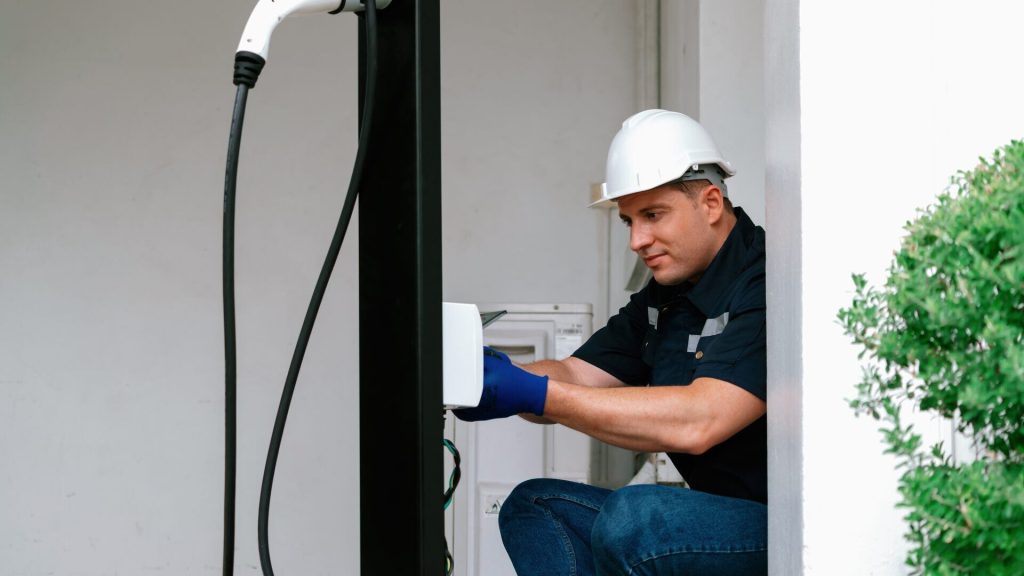
If your charger frequently stops mid-session, especially with MCB trips or error messages that aren't easily resolved by a simple restart, it's time to call a qualified electrician. They can inspect your home's electrical system, check the charger's circuit, and identify any underlying issues. Don't try to fix complex electrical problems yourself; safety should always be your top priority.
Final Thoughts
Experiencing an EV charger cut-off can be frustrating, but understanding the 'why' helps you troubleshoot effectively. Most often, it's your system doing its job – keeping you and your EV safe. By ensuring a robust electrical setup and being aware of common issues, you can enjoy uninterrupted, worry-free EV charging at home.
Related guides
- My Home EV Charger Stops Due to Voltage Fluctuations: Troubleshooting & Protection
- Power Outage Woes? Why Your EV Charger Needs Automatic Restart
Charger acting up?
Message ZEVpoint support on WhatsApp or email support@zevpoint.com.


