
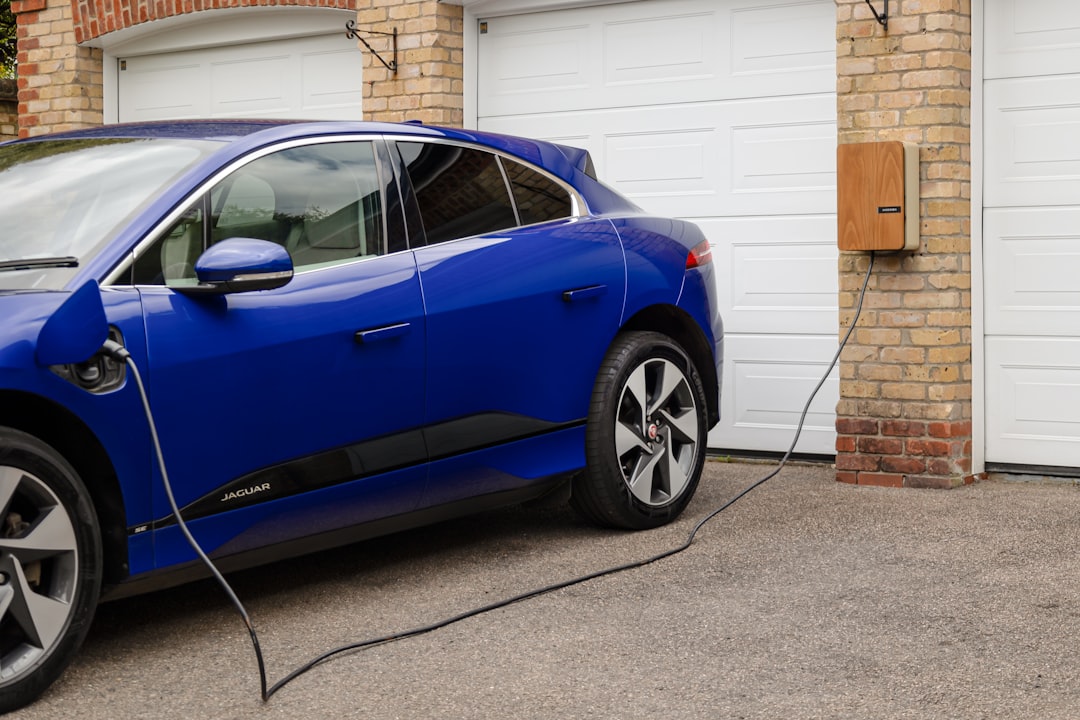

Don't just grab any EV charging cable. Measure the distance from your charger to your car's port, add a bit extra for flexibility, and consider where you'll park in the future. This guide will help you pick the right length so you're not stuck with a cable that's too short – or a tangled mess of extra cable.
So, you've got yourself an electric vehicle, congratulations! Maybe it's a Nexon EV, an BYD or an Punch. Now comes the slightly less exciting but equally important part: charging it at home. And that means figuring out the right length for your EV charging cable. It's not as simple as you might think, but don't worry, I'll walk you through it.
Why Cable Length Matters
Think of it like this: you wouldn't buy a phone charger that barely reaches the socket, right? Same principle applies here. A cable that's too short will have you doing awkward parking maneuvers just to reach the charging port. Too long, and you've got a tripping hazard and a tangled mess.
Convenience is Key
Imagine it's a hot Chennai summer day. The last thing you want to do is struggle with a short cable, trying to perfectly align your car. A little extra length gives you breathing room. You can park comfortably without stressing about being inches away from the charger.
Safety First
A cable stretched to its limit is a safety hazard. It puts strain on the connections and could even pull the charger off the wall. On the other hand, a long, coiled cable is just asking to be tripped over, especially at night. Keep things neat and tidy.
How to Measure for the Perfect Fit
Alright, time for some practical steps. Grab a measuring tape – the kind your tailor uses, or even the steel one your electrician uses will work. This isn't rocket science, but accuracy helps.
Step 1: Find the Distance
First, figure out where you're planning to install your EV charger. This could be in your garage, on an outside wall, or even on a pillar in your parking spot in your society. Then, think about where the charging port is on your EV. Is it at the front, back, or on the side?
Now, measure the distance between the charger location and where your car's charging port will be when parked. Park the car where you usually would and measure to the charge port. Don't just eyeball it – get a real measurement.
Step 2: Add Some Slack
This is crucial. Don't just buy a cable that's exactly the length you measured. Add at least a meter or two (3-6 feet) of slack. This gives you flexibility. Maybe you'll park slightly differently one day, or maybe you'll get a new EV with the charging port in a different spot. Trust me, you'll thank yourself later.
Step 3: Consider Future-Proofing
Think ahead. Are you planning to get another EV in the future? Will it also be parked in the same spot? If so, consider the charging port location of the new EV as well. It might be worth getting a slightly longer cable now to avoid needing a new one later.
Cable Length Options and Considerations
EV charging cables come in various lengths, typically ranging from 5 meters (around 16 feet) to 10 meters (around 32 feet) or even longer. You'll find options online and at EV accessory shops.
Standard Lengths
Most home chargers come with a standard cable length, often around 5 meters. This might be enough for some, but definitely measure before assuming it will work for you.
Longer Cables
If you need more reach, you can buy longer cables separately. Brands like ZevPoint offer various lengths to suit different needs. Just make sure the cable is compatible with your charger and EV.
Cable Management
With longer cables comes the challenge of managing the extra length. Consider a cable retractor or wall-mounted holder to keep things neat and prevent tripping hazards. These accessories don't cost much (a few hundred INR) and can make a big difference.
Other Factors to Keep in Mind
While length is important, there are a few other things to consider when choosing your EV charging cable.
Cable Thickness and Amperage
Make sure the cable is thick enough to handle the amperage of your charger. A thinner cable might overheat and be a safety risk. Your electrician can advise you on this.
Weather Resistance
If your charger is outdoors, make sure the cable is weather-resistant and can withstand the Indian heat and monsoon rains. Look for cables with a good IP (Ingress Protection) rating.
Cable Quality and Certification
Don't cheap out on the cable. Buy from a reputable brand and make sure it has the necessary certifications. A good quality cable will last longer and be safer.
A Final Checklist
Before you buy that charging cable, here's a quick checklist:
- Measure the distance from your charger to your EV's charging port.
- Add at least 1-2 meters of slack.
- Consider future EV purchases and their charging port locations.
- Check the cable's amperage rating and weather resistance.
- Buy from a reputable brand and look for certifications.
Choosing the right length EV charging cable might seem like a small thing, but it can make a big difference in your daily EV charging experience. A little planning and measurement upfront will save you headaches (and maybe even a few near-misses) down the road. Happy charging!


