
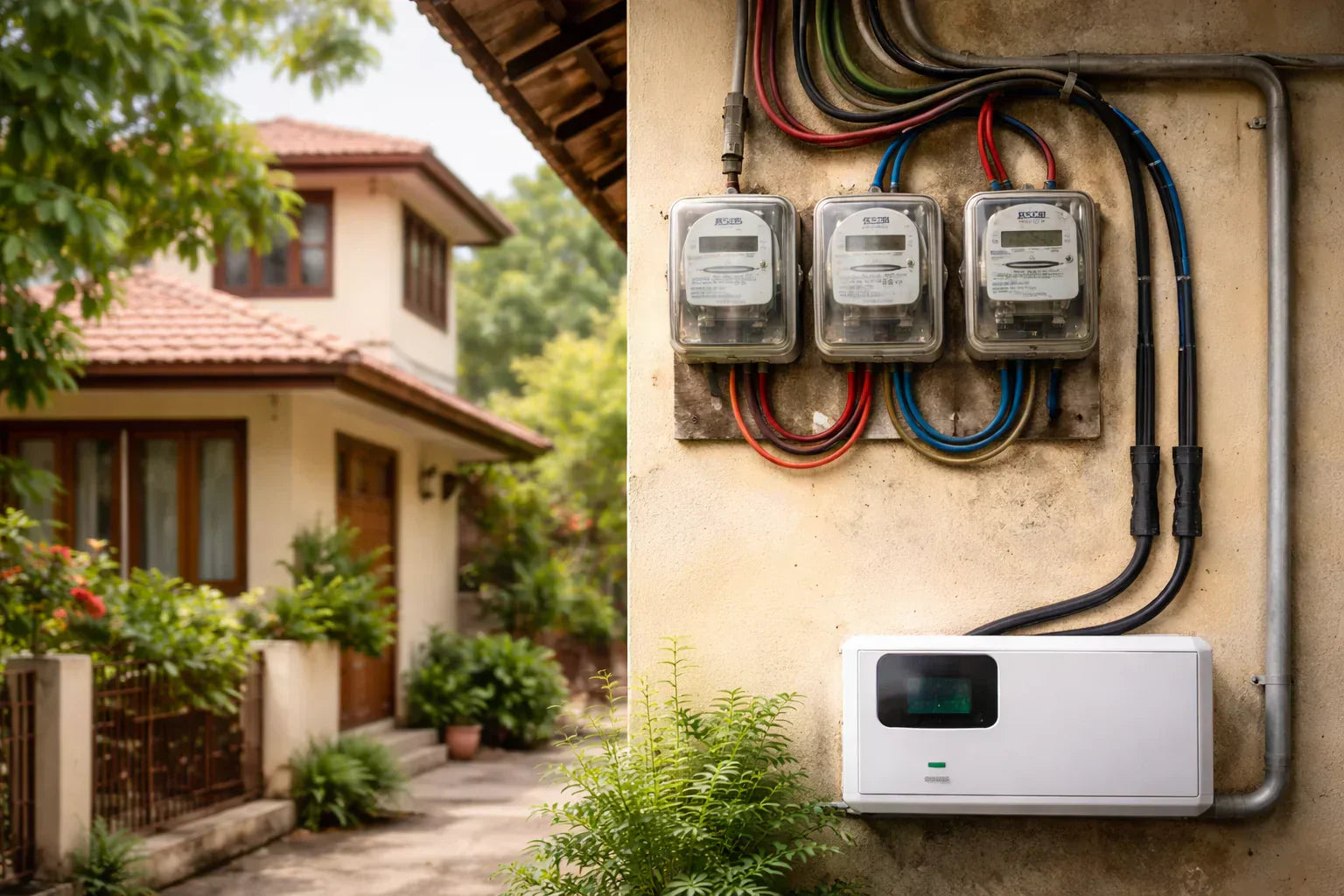

The recent fire in Indore is a wake-up call. Get your home EV charger installed by a qualified electrician, use good quality components, and don't overload your electrical circuits. Your safety is worth it.
That fire in Indore, heartbreaking, wasn't it? It got many of us thinking, are we really doing everything we can to keep our homes safe, especially with our new EVs charging away?
See, EVs are becoming super common – your neighbor probably has a Nexon EV, and the society parking is filling up with Athers and Ola S1s. But with new tech comes new responsibilities, especially when it involves electricity flowing into your home.
The Indore Incident: What Happened?
Details are still emerging, but the Indore fire tragically highlights the importance of electrical safety. While the exact cause is under investigation, it's a stark reminder that electrical malfunctions can have devastating consequences. And with more EVs being charged at home, we need to be extra careful.
Think of it like this: you wouldn't use a cheap, unbranded phone charger, right? Same logic applies to your EV charger. It's not just about getting a full charge; it's about ensuring the safety of your family and your home.
Home EV Charger Safety: Key Things to Keep in Mind
So, you've got your shiny new EV. Now, how do you charge it safely at home? Here's the lowdown:
1. Get a Qualified Electrician
This is non-negotiable. Don't try to be a hero and install the charger yourself. A qualified electrician knows the wiring standards, can assess your home's electrical load, and ensure everything is up to code. They'll check for proper grounding, install the right circuit breakers, and make sure your wiring can handle the extra load. Think of it as an investment in your peace of mind.
2. Choose a Reputable Charger Brand
There are tons of EV chargers flooding the market, but not all are created equal. Stick to well-known brands that specialize in Electric Vehicle charging and that meet Indian safety standards like ARAI, CE certification. These chargers are tested for safety and durability, and they often come with warranties. A charger might seem expensive upfront, but it's worth it compared to the risk of a fire.
3. Use Good Quality Cables and Components
Cheap cables are a fire hazard waiting to happen. Make sure your electrician uses high-quality, ISI-marked cables that can handle the current required for EV charging. Don't skimp on this – it's literally the wire that carries the electricity to your car!
4. Don't Overload Your Circuits
Your home's electrical system has a limited capacity. Plugging in your EV charger *and* running the AC *and* using the washing machine all at once can overload the circuit and cause a fire. Talk to your electrician about load balancing and consider upgrading your electrical panel if needed.
5. Regular Inspections and Maintenance
Just like your car needs servicing, your EV charger needs regular check-ups. Have your electrician inspect the charger and wiring periodically to look for any signs of wear and tear, loose connections, or damage.
Addressing Common Concerns
Let's tackle some worries I've heard from other EV owners:
- Power cuts: Get a charger with surge protection to handle voltage fluctuations.
- Old wiring: Have your wiring inspected and upgraded if necessary. It might cost a bit, but it's cheaper than a fire.
- Charger getting hot: This is a sign of a problem. Stop charging immediately and call your electrician.
ZEVpoint: Charging Ahead Safely
At ZEVpoint, we understand that safety is paramount. That's why our EV chargers are designed with multiple layers of protection, including over-voltage, over-current, and short-circuit protection. We also partner with certified electricians to ensure safe and reliable installations. Think of us as your trusted partner in your EV journey.
Remember, a little bit of caution goes a long way. By following these simple tips, you can enjoy the benefits of EV ownership without compromising your safety. Drive safe, charge safe!
Looking for a reliable EV charger?
Explore ZEVpoint home chargers or call our sales team.


