
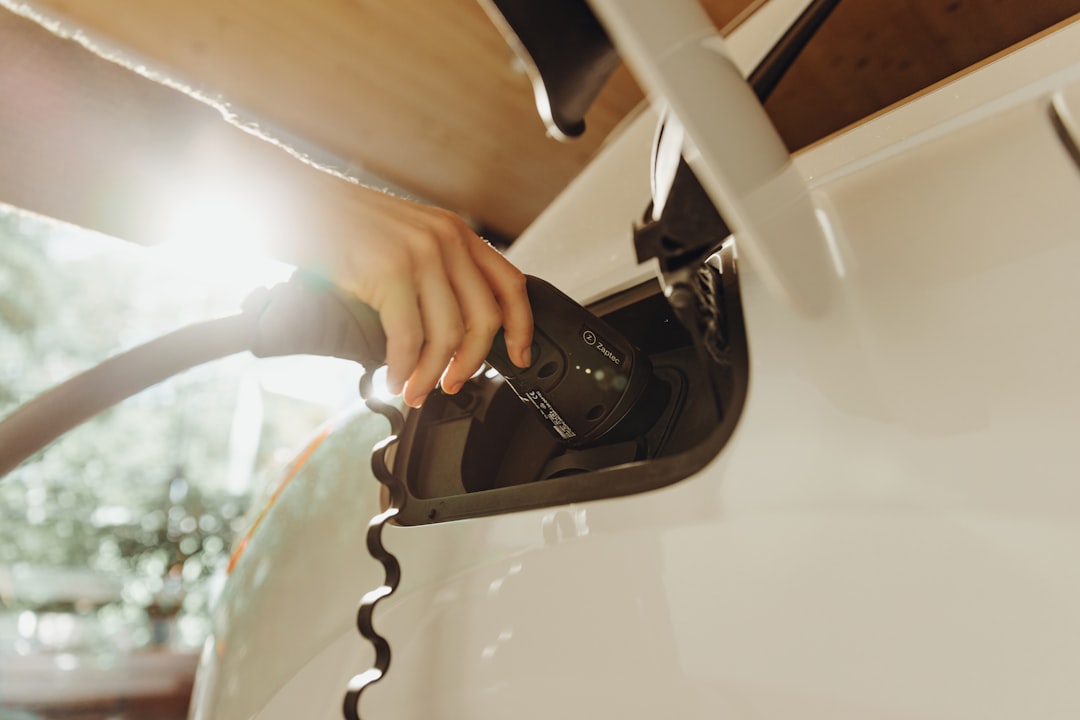

Thinking about getting a portable EV charger? You’re not alone. More and more EV owners in India are realizing that having a charger you can take with you offers a lot of flexibility. Imagine visiting your native place, or needing a top-up at a friend's house – a portable charger can be a lifesaver. But with so many options available, how do you choose the right one? This guide breaks down everything you need to know.
Quick answer
A portable EV charger is a smart cable that safely charges your car from a normal socket — ideal for renters, travel and backup. In India they come as 15A (~2.3kW) or 32A (3.3–7.2kW) units. Prioritise the right connector (usually Type 2), an IP65 build, and proper protection features, and always plug into a well-earthed socket.

What is a Portable EV Charger?
Let's be clear: a portable EV charger isn't like a power bank for your phone. It doesn't store energy. Instead, it's a smart cable that connects your EV to a standard wall socket (like the ones you use for your fridge or TV) and safely delivers electricity to your car’s battery. Think of it as an adapter and safety device all in one.
The main advantage? You don't need to install a dedicated charging point. This is especially useful if you live in a rented apartment, frequently travel, or want a backup charging solution.
Types of Portable EV Chargers
Portable chargers in India mainly come in two types, based on the type of socket they use:
- Standard 15A Plug: This is the most common type. It plugs into a regular 15A socket, the kind you'd use for an AC or washing machine. These chargers typically deliver around 2.3 kW of power.
- Industrial 32A Plug: These use a larger, round 32A socket. They can deliver more power, usually around 3.3 kW or 7.2 kW, but you'll need to find a compatible socket.
There are also different connector types for your car, such as Type 2 (most common in India) or CCS2 — see our EV connector guide. Make sure the charger you choose has the right connector for your EV.
Key Considerations Before Buying
Before you click 'buy,' think about these factors:
Power Output (kW)
This determines how quickly your car charges. A higher kW rating means faster charging, but it also requires a more robust electrical connection. For example, a 7.2kW charger will charge significantly faster than a 2.3kW charger, but it needs a dedicated 32A connection.
Cable Length
Consider where you'll be charging. Is the socket close to your car's charging port, or will you need extra length? A longer cable provides more flexibility.
Safety Features
Look for chargers with built-in safety features like over-current protection, over-voltage protection, and earth fault detection. These protect your car and your home's electrical system.
Build Quality and Weather Resistance
Indian weather can be harsh, with extreme heat, dust, and monsoons. Choose a charger that's built to withstand these conditions. Look for an IP rating (e.g., IP65) that indicates water and dust resistance.

Compatibility
Ensure the charger is compatible with your EV's charging port and voltage requirements. Check the charger's specifications and your car's manual.
Installation and Usage
Portable chargers are designed to be plug-and-play, but here are a few tips:
- Check the Socket: Ensure the socket you're using is in good condition and properly grounded.
- Don't Overload: Avoid using the same socket for other high-power appliances while charging your EV. This can overload the circuit and trip the MCB.
- Monitor the Charging Process: Keep an eye on the charger and the cable during charging. If you notice any overheating or unusual behavior, stop charging immediately.
Cost Considerations
Portable EV chargers in India range from ₹8,000 to ₹25,000, depending on the power output, features, and brand. Keep in mind that you might also need to factor in the cost of installing a 32A socket if you opt for a higher-power charger.
Also, consider the electricity cost. A full charge might add ₹100-₹300 to your electricity bill, depending on your car's battery size and your electricity tariff.
Portable vs. wall-mounted: which suits you?
Portable chargers win on flexibility and need no installation; wall-mounted units charge faster and suit a fixed home spot. We compare them in depth in Portable vs Wall-Mounted EV Charger: Which One Should You Buy?
Safety Tips
Safety is paramount when dealing with electricity. Follow these guidelines:
- Use a Properly Grounded Socket: This is crucial to prevent electric shock.
- Avoid Extension Cords: If possible, plug the charger directly into the socket. If you must use an extension cord, make sure it's heavy-duty and rated for the charger's amperage.
- Inspect the Charger Regularly: Check for any signs of damage, such as frayed cables or cracked plugs.
- Keep Away from Water: Don't use the charger in wet conditions unless it's specifically designed for outdoor use.
Final Thoughts
A portable EV charger can be a valuable addition to your EV ownership experience, providing flexibility and peace of mind. By carefully considering your needs and the factors outlined in this guide, you can choose the right portable charger for your lifestyle.
Before you buy: Ask your electrician to check your home's wiring and earthing. It's a small cost for a big peace of mind.
Looking for a reliable portable EV charger?
ZEVpoint’s portable chargers — from 3.6kW to 7.2kW and three-phase — are built and protected for Indian power conditions, with pan-India support.
Frequently asked questions
Is a portable EV charger safe to use at home in India?
Yes, if it has proper protection (over-current, over-voltage, earth-fault) and you plug into a properly earthed socket. Choose an IP-rated unit and avoid ordinary extension cords.
How fast does a portable charger charge?
A 15A unit delivers about 2.3kW; a 32A unit 3.3–7.2kW. Higher power needs a dedicated 32A socket and adequate wiring.
Portable or wall-mounted — which should I buy?
Portable for flexibility, renting and backup; wall-mounted for the fastest fixed home charging. Our portable vs wall-mounted guide compares both.


