
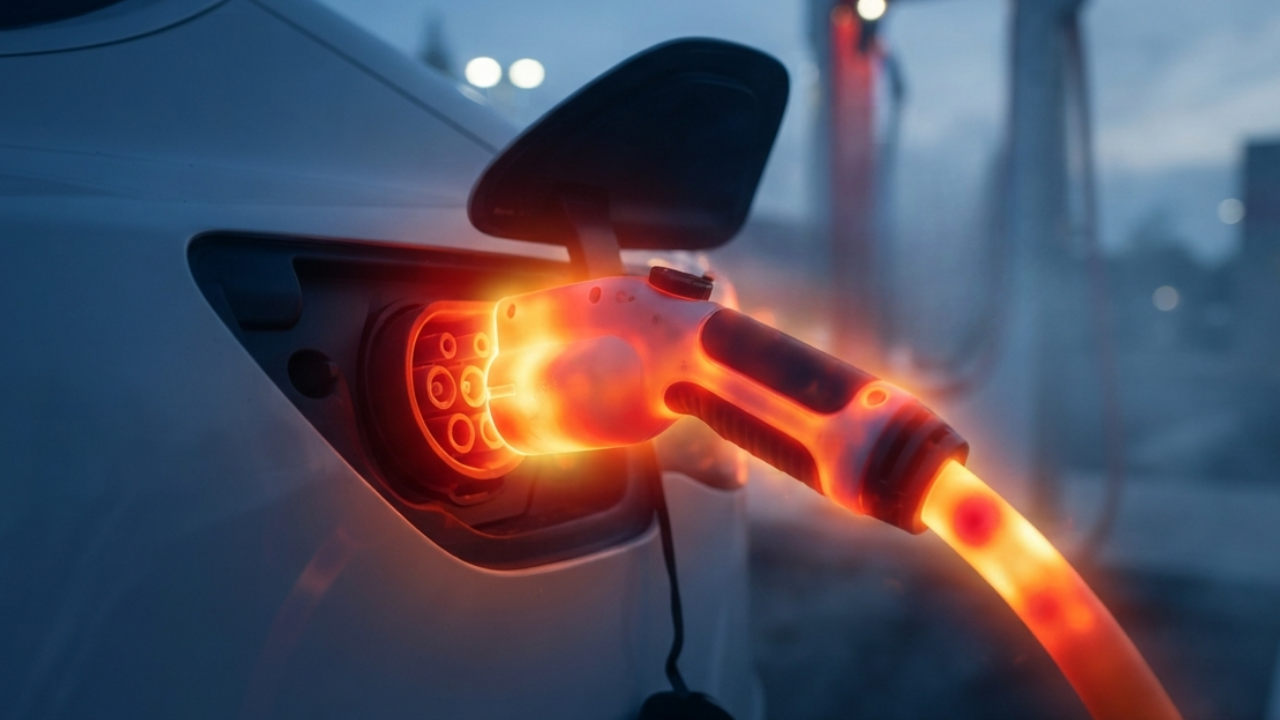

Picture this: you plug in your EV for a routine charge, expecting it to hum along quietly. But a short while later, you notice a distinct smell, or perhaps you touch the charging gun and immediately pull your hand back. The charger, the gun, and even the wire are scorching hot, easily hitting 70°C. It's not just warm; it's alarmingly hot, to the point where you can't even remove the gun without waiting for it to cool down. This isn't just an inconvenience; it's a serious safety hazard that could lead to equipment damage or, worse, a fire. Let's break down why this happens and what you can do about it.
Understanding Why Your EV Charging Setup Overheats
When any part of your electrical system heats up excessively, it's a clear sign that something is wrong. In the case of EV charging, 70°C is far beyond acceptable operating temperatures for most consumer-grade equipment, especially the parts you handle. This extreme heat usually points to one of a few critical issues, all related to electrical resistance and current flow.
The Role of Resistance and Current
Electricity flowing through a conductor (like a wire or a charger component) always encounters some resistance. This resistance converts a portion of the electrical energy into heat. The higher the current (amperes) and the higher the resistance, the more heat is generated. This is governed by Joule's Law: Heat = Current² × Resistance × Time. So, even a small increase in resistance can lead to a significant jump in heat, especially when you're drawing high currents for EV charging.
Common Culprits Behind Extreme Heat
- Undersized Wiring: This is perhaps the most common reason. If the wire gauge (thickness) is too small for the current your charger draws, the wire will have higher resistance. Imagine trying to push a lot of water through a narrow pipe – the pressure builds up. Similarly, electricity through a thin wire generates excessive heat.
- Loose Connections: A loose screw terminal, a poorly crimped lug, or an improperly seated plug can create a point of high resistance. This 'bottleneck' causes heat to build up right at the connection point, which can then spread to the gun and charger.
- Faulty Charger or Gun: Internal components in the charger or the charging gun itself might be failing or have manufacturing defects, leading to internal resistance and heat generation.
- High Ambient Temperature: While not usually the sole cause of 70°C heat, if your charger is installed in a very hot environment (e.g., direct sunlight, a poorly ventilated shed) and combined with other issues, it can exacerbate overheating.
- Overloading: Attempting to draw more current than the circuit, wiring, or charger is rated for. While modern chargers have protection, older installations or specific faults can lead to this.
Troubleshooting Steps for an Overheating EV Charger, Gun, and Wire
Addressing extreme heat requires a systematic approach. Since 70°C is a dangerous temperature, stop charging immediately and do not resume until the issue is resolved.
Step 1: Inspect the Wiring and Connections
This is where you'll find the root cause in most cases.
- Check the Cable Gauge: For a standard 7.2 kW AC charger (drawing about 32 Amps), you should ideally have a dedicated circuit with at least a 6 sq.mm copper wire. For a 3.3 kW charger (15 Amps), 4 sq.mm is usually sufficient, but 2.5 sq.mm might just barely cut it for short runs and can be prone to heating. If your wire feels hot, it's likely undersized.
- Inspect All Connections: Carefully examine the plug going into the wall socket (if it's a portable charger), the main wiring terminals at the charger unit, and the connection inside your meter box. Look for any signs of discolouration, melting plastic, or a burnt smell. These are tell-tale signs of loose or corroded connections.
- Look at the Charging Gun: The gun's internal wiring and contacts can also be a source of resistance. If the heat is concentrated at the gun, it might be an internal issue with the gun itself.
Professional Advice: Unless you are a trained electrician, do not open up your main electrical panel or charger unit. This is a job for a qualified professional.
Step 2: Evaluate Your Electrical Circuit
Your home's electrical circuit plays a vital role.
- Dedicated Circuit: Is your EV charger on a dedicated circuit, or are other heavy appliances (like an AC, geyser, or induction cooktop) sharing the same line? Sharing a circuit can lead to overloading and heat generation.
- MCB Rating: Ensure your MCB (Miniature Circuit Breaker) is correctly rated for your charger. A 32A charger needs a 40A MCB, one size above the charger's own current, preferably a 'C' curve MCB for inductive loads. If the MCB isn't tripping but the wires are overheating, it suggests the MCB might be oversized relative to the wiring, or the wiring itself is the primary issue.
- Earthing (Grounding): A proper earth connection is crucial for safety. While not directly causing overheating, poor earthing can indicate a poorly installed circuit overall, which might have other underlying issues.
Step 3: Consider Environmental Factors
While often secondary, these can contribute.
- Ventilation: Is your charger installed in an enclosed space with poor airflow? Ensure there's enough space around the charger for heat dissipation.
- Direct Sunlight: If the charger or cable is exposed to direct, harsh Indian sunlight for extended periods, it can add to the thermal load, especially during summer.
- Dust and Debris: Over time, dust can accumulate inside the charger unit, acting as an insulator and preventing proper heat dissipation.
When to Call an Electrician (Always for 70°C!)
If your EV charger, gun, and wire are reaching 70°C, it's not a DIY fix beyond immediately stopping the charge. You absolutely need to call a certified electrician. Here's why:
- Fire Hazard: Extreme heat can melt insulation, expose live wires, and ignite nearby flammable materials, leading to a serious fire.
- Equipment Damage: Prolonged exposure to high temperatures will permanently damage your charger, cable, and potentially your EV's charging port.
- Safety: Handling hot electrical components is dangerous and can lead to severe burns or electrocution.
When you call the electrician, explain the exact symptoms: the temperature, which parts are heating up, and under what conditions. They will use specialized tools like a thermal gun to pinpoint the exact hot spots and diagnose the underlying electrical issue.
Preventive Measures for a Safe Charging Experience
Once the immediate issue is resolved, take steps to ensure it doesn't happen again:
- Professional Installation: Always get your EV charger installed by a certified electrician who understands EV charging requirements and follows Indian electrical codes.
- Correct Cable Sizing: Insist on the correct gauge wire for your charger's power rating and the length of the cable run. Don't cut corners here to save a few hundred rupees – the cost of damage or injury is far higher.
- Quality Components: Use good quality MCBs, RCCBs (Residual Current Circuit Breakers), and wiring from reputable brands.
- Regular Checks: Periodically (perhaps once every six months), visually inspect your charger, cable, and plug for any signs of wear, discolouration, or damage. Feel the cable and charger during the first 15-20 minutes of charging – it should feel warm, not hot.
- Good Ventilation: Ensure your charger is installed in a well-ventilated area, away from direct sunlight or enclosed spaces.
An EV is a significant investment, and ensuring its charging infrastructure is safe and reliable is paramount. Don't ignore extreme heat; it's your system screaming for help.


