
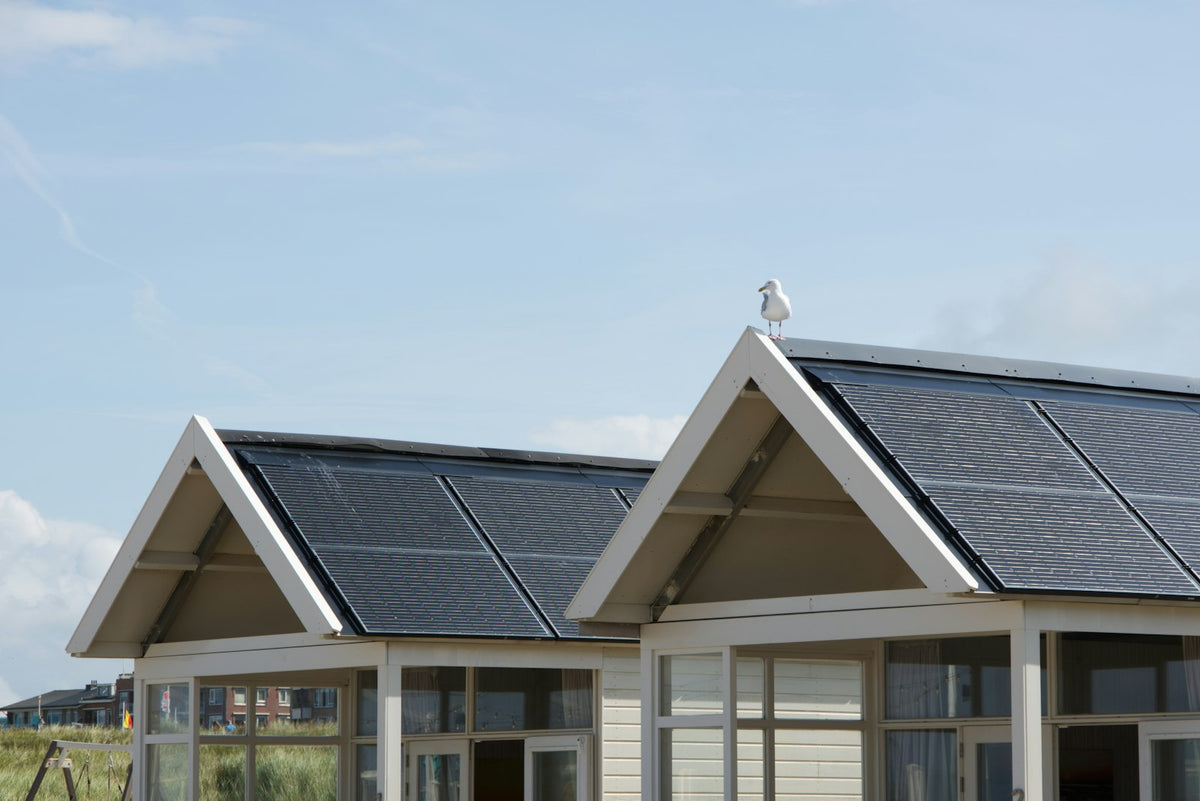

Running your electric car 5,000 km a month is serious mileage — and it means serious electricity. Many high-mileage EV owners in India want to power those kilometres with sunshine rather than the grid, and an installer has probably already floated a 6kW rooftop system. But with two ACs also running at home, is 6kW actually enough? Here is the honest math.
Short answer
Probably not. At 5,000 km/month your EV alone needs about 900 units (kWh) of electricity, while a 6kW system in India generates roughly 810 kWh a month on average. Add two ACs and the rest of the home, and you will draw heavily from the grid — especially through the monsoon and winter. For near-total solar coverage, most high-mileage drivers should size for 8kW to 10kW.
First, how much electricity does your EV actually use?
Before talking panels, pin down the car's appetite. A typical EV in Indian conditions uses 0.15–0.20 kWh per kilometre. We'll use an average of 0.18 kWh/km.
- Monthly distance: 5,000 km
- Consumption: 0.18 kWh/km
- EV energy needed: 5,000 × 0.18 = 900 kWh/month
That's 900 units just for the car. A home with two ACs easily adds another 400–600 kWh/month, and more in peak summer. So your realistic total lands around 1,300–1,500 kWh/month — the number your solar system actually has to beat.

How much does a 6kW solar system generate in India?
A 6kW system has a peak capacity of 6 kilowatts, but real output depends on sunshine hours, which vary by city and season.
- Peak sun hours: 4–5 hours/day (location and season dependent)
- Daily generation: 6 kW × 4.5 h ≈ 27 kWh
- Monthly generation: ~810 kWh (average)
But that average hides a big seasonal swing:
| Season | Typical 6kW monthly output |
|---|---|
| Peak summer (Mar–Jun) | 900–1,000 kWh |
| Monsoon (Jul–Sep) | 500–650 kWh |
| Winter (Dec–Feb) | 550–700 kWh |
The monsoon and winter reality check
Here's where the gap bites. Even at its 810 kWh average, a 6kW system doesn't fully cover your 900 kWh EV load — let alone the home on top. During the monsoon, output can fall to ~600 kWh while consumption stays high. That shortfall comes straight off the grid at regular tariffs, quietly eroding the savings you bought solar for.
So what size solar system do you actually need?
Size the system to your total consumption plus a buffer, not just the average.
- Total monthly consumption: 1,300–1,500 kWh
- Target generation: at least matching that, ideally with headroom
An 8kW system: 8 kW × 4.5 h ≈ 36 kWh/day, or about 1,080 kWh/month on average. A big improvement — but it can still run slightly short in peak-AC months. A 10kW system gives genuine headroom and gets you closest to fully solar-powered driving.
Rule of thumb: size for roughly 1.5× your EV's monthly energy need, plus your household load. For a 900 kWh EV load and 400–600 kWh home load, that points to 8–10kW.

Beyond kilowatts: what else decides the right size
Capacity is only half the decision. These factors matter just as much:
- Roof space — Budget ~100 sq ft of shadow-free roof per kW. A 6kW system needs ~600 sq ft; 8–10kW needs 800–1,000 sq ft.
- Budget — Installed cost runs roughly ₹60,000–₹80,000 per kW. A 6kW system lands around ₹3.6–4.8 lakh; a 10kW system around ₹6–8 lakh.
- Net metering vs. battery — Most EV-charging homes run on-grid with net metering: daytime surplus flows to the grid and you draw it back when charging at night. You'll need a net-metering agreement with your DISCOM. True power-cut backup needs a hybrid system with batteries, which costs significantly more.
- Charging time — You'll likely charge overnight, when panels aren't producing. With net metering that's fine — you're "banking" daytime generation. An off-grid battery setup needs enough storage to top up the car overnight.
- Government subsidies — Check the central PM Surya Ghar scheme and your state's rooftop subsidy; they can meaningfully cut upfront cost.
Your charger and electrical connection matter too
Your EV charger's rating shapes the picture. A 7.2kW home charger can pull up to 7.2kW. If you charge during the day on a 6kW system, the extra draw plus your home load comes from the grid — usually fine with net metering, but a reminder to size the whole system as a balanced set.
Also confirm your home's connection — single-phase or three-phase — can handle both the solar inverter's output and the charger's draw together, especially if you upgrade to a larger array. A 10kW system paired with a fast charger often works best on a three-phase connection. If you're unsure which you have, our guide on single-phase vs. three-phase EV charging walks through it. Getting a professional at-home installation ensures the charger circuit, earthing, and protection are matched to your solar setup.
The bottom line
For a genuine 5,000 km/month driver running two ACs, 6kW will underdeliver if the goal is near-total solar coverage. Target 8–10kW to comfortably cover ~1,300–1,500 kWh/month across seasons. It's a larger upfront investment, but for a high-mileage EV it pays back in dramatically lower running costs — and cleaner kilometres.
Questions to ask your solar installer
- What's the estimated monthly generation for this system size, broken down by season?
- What are the warranties on the panels, inverter, and workmanship?
- Do you handle the net-metering application with my local DISCOM?
- How will the system integrate with my existing wiring and EV charger circuit?
- What's the ongoing maintenance schedule and cost?
Don't settle for the first quote — get at least three, and make sure the proposed system matches your real, high-usage lifestyle rather than an average household.
Frequently asked questions
How many solar panels do I need to charge an EV driven 5,000 km a month?
Driving 5,000 km/month uses about 900 kWh for the car alone. Covering that plus a typical home with two ACs (another 400–600 kWh) needs an 8–10kW system — roughly 15–20 panels of 500W+ — generating about 1,300–1,500 kWh a month on average.
Is a 6kW solar system enough for an EV in India?
For light-to-moderate driving, yes. But at 5,000 km/month plus heavy AC use, a 6kW system (≈810 kWh/month average) falls short and you'll lean on the grid through the monsoon and winter. Consider 8–10kW instead.
How much electricity does an EV use per kilometre?
Most electric cars use 0.15–0.20 kWh/km in Indian conditions, averaging about 0.18 kWh/km — roughly 900 kWh (units) per month at 5,000 km.
Should I charge my EV during the day or at night with solar?
With on-grid net metering, either works — daytime generation is credited and drawn back when you charge overnight. Off-grid battery systems need enough storage to charge the car at night.
Do I need a three-phase connection for a large solar system and EV charger?
Often yes. An 8–10kW array paired with a 7.2kW+ home charger generally runs best on a three-phase connection. Confirm your connection type and capacity before upgrading.
Planning to power your EV with solar?
Zevpoint helps EV owners pick and install home charging that works hand-in-hand with rooftop solar — from 3.6kW to three-phase chargers, plus professional installation.


