
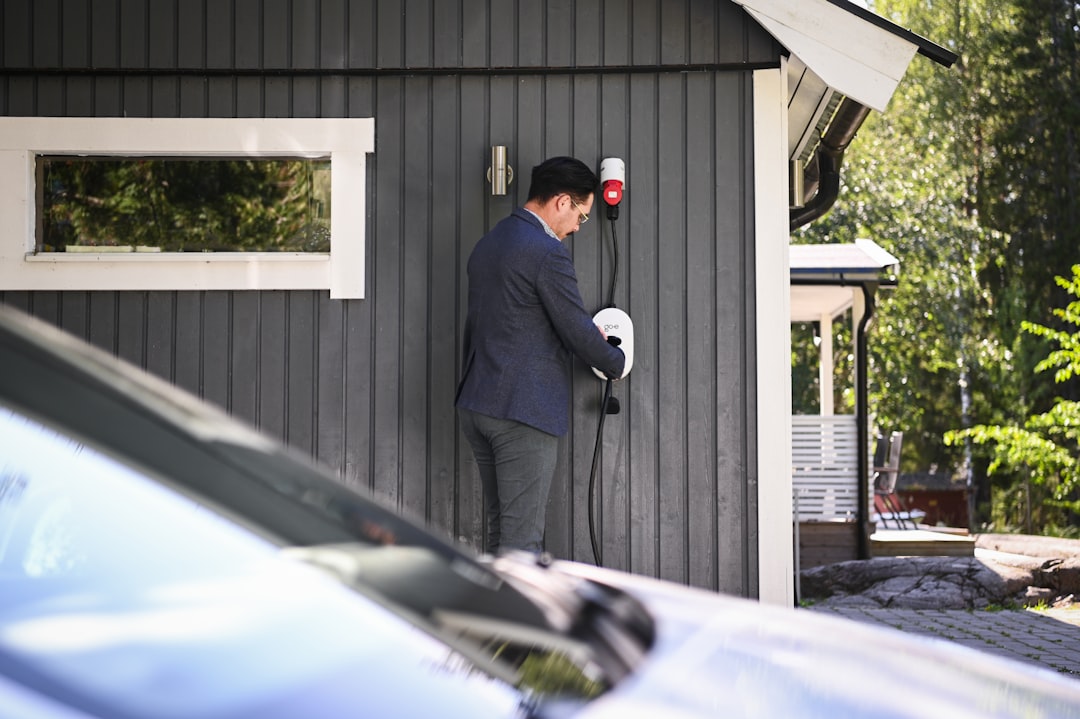

Ever noticed your EV charging slower than usual, or stopping altogether? It might not be your charger or your car – it could be your home's voltage. In India, voltage fluctuations are more common than we'd like. These fluctuations can mess with your EV charger, leading to slow charging, interrupted sessions, and in the long run, potentially damaging your equipment.
Think of it like this: your EV charger is designed to work within a specific voltage range, say 220-240V. If the voltage dips too low (brownout) or surges too high (overvoltage), the charger might struggle to operate efficiently, or even shut down as a safety measure. This is especially true during peak hours or when multiple appliances are running in your home or building.
Understanding Voltage Fluctuations and EV Charging
Voltage fluctuations aren't just an inconvenience; they can impact the lifespan of your EV charger and even your car's battery. Here's a closer look:
- Slow Charging: When the voltage is low, your charger can't deliver the optimal power to your EV, resulting in significantly longer charging times.
- Interrupted Charging: Surges or dips can trigger the charger's or EV's safety mechanisms, causing it to stop charging mid-session. Imagine waking up to a partially charged car when you need to leave for work!
- Potential Damage: Repeated exposure to unstable voltage can stress the internal components of your charger and your EV's battery, potentially shortening their lifespan.
Why are Voltage Fluctuations Common in India?
Several factors contribute to voltage instability in India:
- Aging Infrastructure: Many areas still rely on older power grids that struggle to handle increasing electricity demand.
- Overloaded Transformers: During peak hours, transformers can get overloaded, leading to voltage drops, especially in residential areas.
- Weather Conditions: Monsoons and extreme heat can exacerbate grid issues, causing more frequent fluctuations. Think about how often you hear about power outages during the rainy season.
- Uneven Load Distribution: Industrial areas drawing heavy power can impact residential areas connected to the same grid.
How to Check Your Home's Voltage
Before you think your charger is at fault, it's a good idea to check your home's voltage. Here's how:
- Digital Meter Box: Some modern meter boxes display the current voltage. Check if yours has this feature.
- Multimeter: A multimeter is a handy tool for measuring voltage. If you're comfortable working with electricity, you can use it to check the voltage at a wall socket. Important: If you're not experienced, please call a qualified electrician!
- Ask Your Electrician: The easiest and safest option is to have a qualified electrician check your voltage. They can also assess your overall electrical system and identify any potential issues.
Rule of thumb: Ideally, your voltage should consistently be between 220V and 240V. Dips below 200V or surges above 250V are cause for concern.
Understanding Voltage Swings and EV Charger Compatibility
Not all EV chargers are created equal. Some are better equipped to handle voltage fluctuations than others. Here's what to look for:
- Wide Input Voltage Range: Look for chargers that specify a wide input voltage range, such as 170-270V. This means the charger can handle operate reliably even when the voltage deviates from the standard 230V.
- Voltage Protection Features: Some chargers come with built-in overvoltage and undervoltage protection. These features automatically shut down the charger if the voltage goes outside the safe range, protecting both the charger and your EV.
Other Factors to Consider
Besides the charger itself, here are other factors that can contribute to stable EV charging:
- Dedicated Circuit: Always install your EV charger on a dedicated circuit with its own MCB (Miniature Circuit Breaker). This prevents overloading the circuit and ensures a stable power supply. Don't try to run your AC and charge your car on the same circuit – that's a recipe for problems.
- Proper Wiring: Make sure your home's wiring is up to code and can handle the load of an EV charger. Old or damaged wiring can cause voltage drops and even pose a safety hazard. Get an electrician to inspect it.
- Earthing: Proper earthing is crucial for safety and helps protect against voltage surges. Ensure your earthing is properly installed and maintained.
- Consider a Voltage Stabilizer: If voltage fluctuations are a persistent problem, consider installing a voltage stabilizer for your EV charger. These devices regulate the voltage and provide a stable power supply.
What About Apartments and Societies?
Charging in apartments presents unique challenges. Often, the building's electrical infrastructure wasn't designed for EV charging. Here's what you can do:
- Talk to your society: Discuss the possibility of upgrading the building's electrical infrastructure to support EV charging. This might involve installing a new transformer or upgrading the wiring.
- Load Management Systems: Consider installing a load management system that distributes power intelligently among multiple chargers, preventing overloading.
- Individual Metering: If possible, get a separate meter for your EV charger. This allows you to track your electricity consumption and pay only for what you use. Plus, some states offer subsidized EV charging rates if you have a separate meter.
India's power grid can be unpredictable — but your EV charging doesn't have to be. A little awareness goes a long way. Check your home's voltage, choose your equipment wisely, and enjoy the smooth, stress-free charging your EV deserves. Because the future of driving is electric, and it starts right at your wall socket.
Related guides
- PROTECT YOUR EV CHARGER: HOW TO DEAL WITH VOLTAGE FLUCTUATIONS AND POWER CUTS
- Protecting Your EV Charger from Power Surges in India: A Comprehensive Guide
Charger acting up?
Message ZEVpoint support on WhatsApp or email support@zevpoint.com.


