
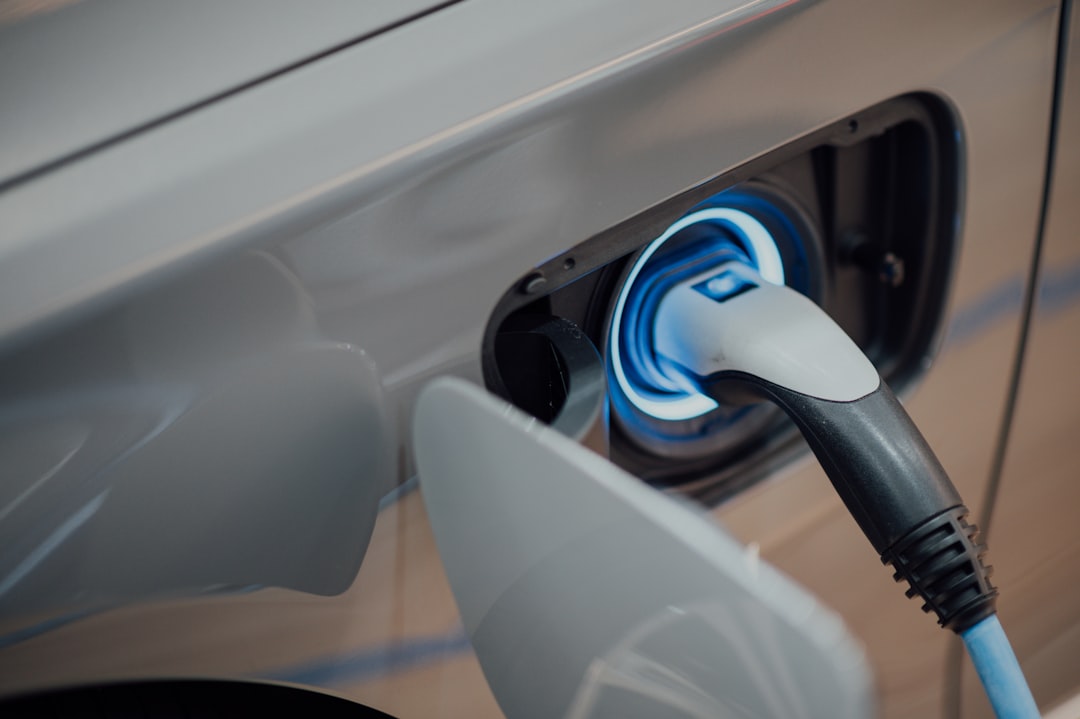

You’ve just booked your shiny new Electric car, and the thought of never visiting a petrol pump again fills you with joy. But then, a nagging question pops up: “Can I install a home EV charger from another company, or will it void my vehicle’s warranty?” This isn’t a silly question; it’s a genuine concern for many first-time EV owners in India, especially with new models hitting the market and OEM-provided chargers sometimes being exorbitantly priced or having longer installation and delivery timelines.
Quick answer
In India, using a third-party home charger does not void your vehicle warranty (Mahindra BE6, Tata, MG or otherwise) — provided the charger meets your car's charging spec (Type 2 AC, IS 17017), and is installed by a qualified electrician. What can affect a claim is improper installation or an uncertified charger that damages the car, not the brand of the charger itself.

Understanding Your EV Warranty in India
Let's get straight to it: generally speaking, using a third-party home EV charger will not void your vehicle's warranty in India, as long as a few critical conditions are met. This is a common misconception, often fueled by fear or incomplete information. Car manufacturers, whether for EVs or ICE vehicles, have warranties that cover manufacturing defects in their vehicles. They don't typically dictate which brand of fuel you use, or which brand of air conditioner you install in your home to cool your garage.
The key here is to understand what your warranty covers. It covers the vehicle’s components and systems against defects in material and workmanship. It does not typically extend to accessories or equipment that are not part of the original vehicle, unless those accessories cause direct damage to the vehicle due to their malfunction or improper use.
What Could Potentially Affect Your Warranty?
While using a third-party charger itself won't void your warranty, certain scenarios could lead to issues:
- Improper Installation: This is the biggest culprit. If your home charger is installed incorrectly, leading to electrical surges, short circuits, or incorrect voltage/current delivery that damages your vehicle's charging port or battery management system, then the vehicle manufacturer might refuse a warranty claim for that specific damage. This isn't because of the charger's brand, but because of the faulty installation.
- Non-Compliant Charger: If the third-party charger you use does not meet the specified Indian charging standards (like IS 17017 or similar global standards adopted in India), or if it's a cheap, uncertified product that delivers unstable power, it could potentially harm your vehicle. Always choose a charger from a reputable manufacturer that adheres to national and international safety and performance standards.
- Physical Damage: If the charger itself malfunctions and causes physical damage to your vehicle (e.g., a fire originating from the charger that spreads to the car), then the damage to the vehicle might not be covered under the vehicle's warranty. However, the charger manufacturer's warranty or your home insurance might cover this.
Understanding the Case of New EVs
For owners of upcoming EVs like the Mahindra , or recent launches from Tata, MG, and others, the confusion is understandable. OEMs often bundle a charger with the vehicle or offer their branded charger as an add-on. There's a natural inclination to stick with the OEM for peace of mind. However, this isn't always necessary.
all car companies, will specify the charging standards your EV needs to adhere to (e.g., Type 2 AC charging, specific voltage and current ranges). As long as your third-party charger meets these specifications and is installed correctly by a certified electrician, there should be no warranty implications for your vehicle.
Think of it like this: your smartphone warranty isn't voided if you use a third-party charger, as long as that charger meets the phone's charging specifications and is certified safe. The same principle applies to EVs.

Choosing the Right Charger: What to Look For
- IS/BIS Standards: Look for chargers that are compliant with IS 17017 / IEC 61851) or comply with relevant international standards (like IEC 61851 for EV charging systems). This assures a baseline of safety and performance. For example, all Zevpoint EV chargers are fully compliant with all safety standards and norms like IS 17017 and IEC 61851
- Reputable Manufacturer: Choose a brand with a proven track record, good customer support, and clear warranty terms for their charger. Don't go for unbranded, cheap imports that might cut corners on safety.
- Professional Installation: Always get your charger installed by a qualified electrician. They understand the electrical load, earthing requirements, MCB sizing, and proper wiring, which are crucial for safe and efficient charging. See our EV charger wiring guide for what a safe installation looks like.
- Compatibility: Ensure the charger's connector type (most Indian EVs use Type 2 AC) and power output (e.g., 7.4 kW, 11 kW) match your vehicle's specifications and your home's electrical capacity.
- Safety Features: A good charger will have built-in safety features like over-current protection, over-voltage protection, short-circuit protection, and residual current device (RCD) protection.
The Importance of Installation Quality
We cannot stress this enough: the quality of installation is paramount. A poorly installed charger, even a high-quality one, can be a fire hazard, damage your home's electrical system, and potentially harm your EV. Ensure your electrician understands EV charging requirements, including proper earthing, dedicated circuits, and robust wiring (e.g., 4 sq mm or 6 sq mm copper wires for 7.4 kW chargers, depending on cable length and current). They should also correctly size the MCB (Miniature Circuit Breaker) in your meter box.
In India, factors like voltage fluctuations, proper earthing, and monsoon-related electrical issues are real concerns. A professional installation accounts for these local conditions, providing peace of mind.
Your Rights as an EV Owner
Consumer protection laws in India generally protect your right to choose aftermarket parts and services, provided they don't directly cause damage due to their non-compliance or faulty installation. The burden of proof would typically be on the vehicle manufacturer to demonstrate that the third-party charger or its installation was the direct cause of any vehicle defect they refuse to cover under warranty.
Final Word of Advice
Don't let the fear of voiding your warranty deter you from exploring better options for your home EV charger. With new EVs becoming more popular, the market for reliable, high quality and more feature home chargers is growing. Focus on selecting a charger from a reputable brand like Zevpoint that meets Indian safety standards and, most importantly, ensure it is installed by a certified, experienced electrician.
Before making a purchase, ask the charger manufacturer for their product safety features and installation guidelines. If you have any doubts, you can always consult your vehicle's service centre or a trusted EV charging expert to ensure your chosen charger and installation plan are compliant. Your peace of mind, and your EV's health, are worth it.
Charging a new EV at home?
Zevpoint's certified home chargers meet IS 17017 / Type 2 standards, and our professional at-home installation keeps your setup and your warranty safe.
Frequently asked questions
Does aZevpoint charger void my car warranty?
No. As long as the charger meets the Type 2 AC charging spec and is professionally installed, it does not void the vehicle warranty. Warranties cover manufacturing defects, not your choice of home charger.
What could actually void my warranty?
Damage caused by faulty installation or an uncertified charger delivering unstable power. That is why charger with proper safety mechansims and a qualified electrician matter.
Do I have to buy the car maker’s branded charger?
No. OEM chargers are optional and no OEM manufatuers their own chargers. A reputable home charger that matches your car’s connector and power rating works exactly the same.


