
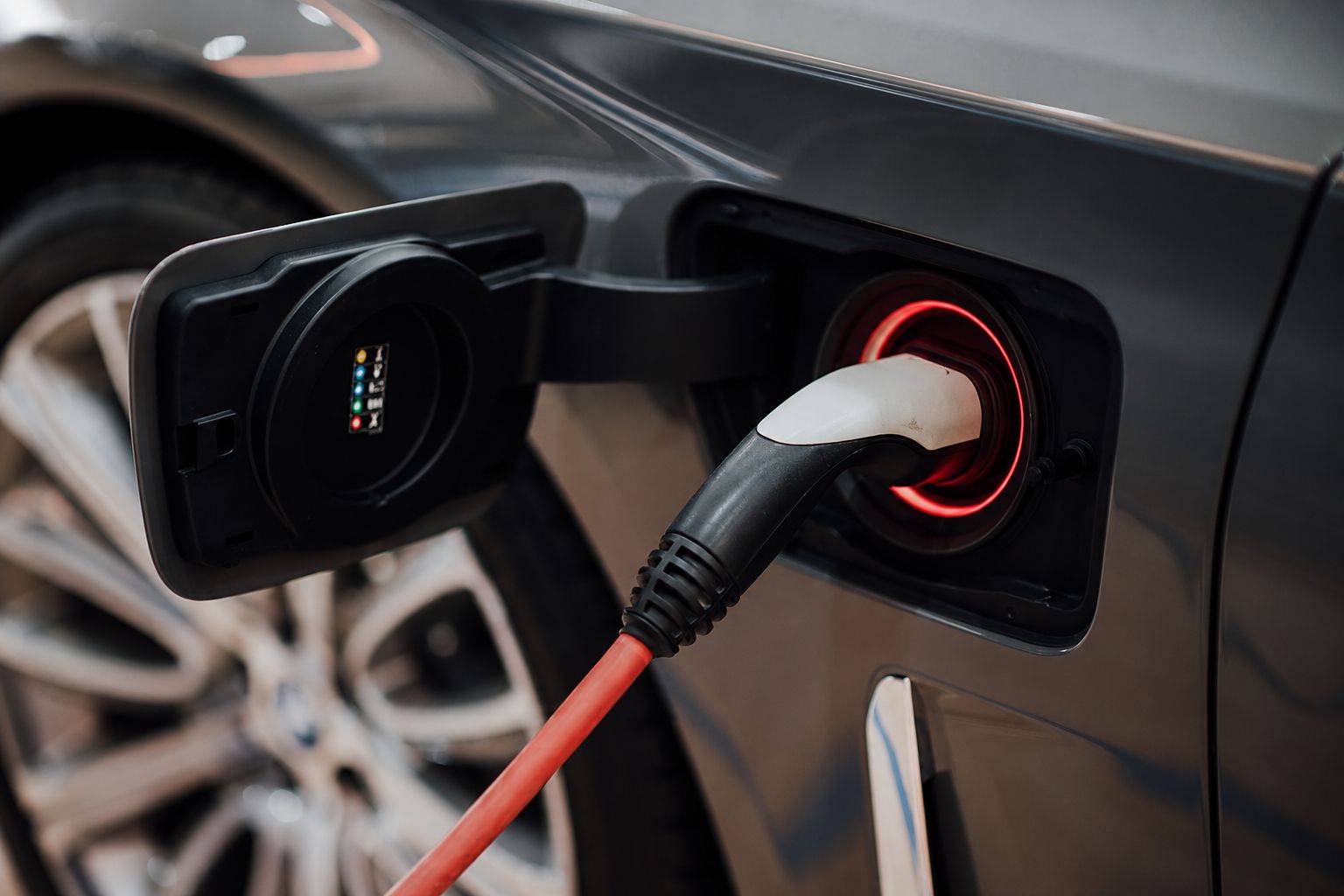

You’ve parked your electric vehicle, plugged it into your home charger, and settled in for the night, expecting a full battery by morning. But then, the lights flicker, the fan slows down for a second, and when you check your EV charger, it’s either stopped, showing a yellow fault light, or worse, completely unresponsive. This scenario, often caused by voltage fluctuations, is a common headache for EV owners in India. Our grid isn't always stable, and these frequent ups and downs can play havoc with sensitive electronics like your EV charger.
Understanding Voltage Fluctuations and Your EV Charger
First, let’s simplify what voltage fluctuation means. Imagine water flowing through a pipe. Voltage is like the pressure of that water. If the pressure keeps changing – sometimes too high, sometimes too low – it can affect the appliances connected to it. For your EV charger, which is essentially a smart device converting AC power from your home to DC power for your car battery, these changes are a big deal.
Most modern EV chargers are designed with built-in protections. If the voltage goes too high (a surge) or too low (a brownout), the charger's internal safety mechanisms kick in. This is why it stops charging or shows a fault light (often yellow or red, depending on the brand). It's trying to protect itself and, more importantly, your expensive EV battery from potential damage. While this protection is good, constant interruptions mean your car isn't getting charged reliably.
Why Do Voltage Fluctuations Happen So Often in India?
- Aging Infrastructure: Many parts of India still rely on older electrical grids that weren't built for the demands of modern appliances, let alone EV charging.
- Overloaded Grids: Especially in densely populated areas, the demand for electricity often exceeds the supply capacity, leading to voltage drops.
- Local Faults: Issues in your local transformer, distribution lines, or even wiring within your building or society can cause localized fluctuations.
- Weather Conditions: Monsoons, storms, and even extreme heat can put stress on the grid, leading to instability.
- Sudden Load Changes: Large industrial units or even multiple ACs turning on/off in your neighbourhood can cause momentary dips or spikes.
Troubleshooting When Your Charger Stops
When your charger stops due to suspected voltage issues, here's a simple checklist to follow before calling an electrician:
- Check Your Home's Main Supply: Are other appliances in your home (lights, fans) also flickering or behaving unusually? This confirms a broader voltage issue, not just with your charger.
- Reset the Charger: Sometimes, a simple reset can help. Unplug your EV from the charger, then turn off the MCB (Miniature Circuit Breaker) connected to your charger for a minute or two, and then turn it back on. Plug your car back in and see if charging resumes.
- Observe Timing: Do these interruptions happen at specific times of day (e.g., peak evening hours when everyone uses ACs)? This points towards grid overload.
Protecting Your EV Charger from Voltage Fluctuations
Prevention is always better than cure. Here’s how you can protect your home EV charger and ensure uninterrupted charging:
1. Install a Dedicated Voltage Stabiliser
Just like you use a stabiliser for your expensive AC or refrigerator, a dedicated voltage stabiliser for your EV charger is a smart investment. It regulates the incoming voltage, ensuring a consistent and safe supply to your charger. Look for a stabiliser specifically designed for high-power loads (e.g., 7.2kW or 11kW, depending on your charger). This can cost anywhere from INR 8,000 to INR 20,000, but it can save you from costly charger or EV battery repairs.
2. Use a Surge Protection Device (SPD)
While a stabiliser handles minor fluctuations, an SPD protects against sudden, large voltage spikes (surges) like those caused by lightning strikes or major grid faults. These are typically installed in your main meter box or distribution board. For a home EV charger, especially a 3-phase one, consider a good quality 3-phase SPD. This is a relatively inexpensive addition, usually between INR 2,000 to INR 5,000, but it offers critical protection.
3. Ensure Proper Earthing
Good earthing (grounding) is crucial for electrical safety and can help dissipate excess voltage safely. An improper or weak earthing system can make your charger more vulnerable to fluctuations and even pose a shock hazard. Have a qualified electrician check your home's earthing system during charger installation.
4. Upgrade Your Home Wiring
If your home's wiring is old or inadequate for the load of an EV charger, it can contribute to voltage drops and heat buildup. Ensure your charger is connected with appropriate gauge wires (e.g., 6 sqmm for a 7.2kW charger or 10 sqmm for an 11kW/22kW 3-phase charger) and a dedicated MCB/RCCB. Skimping on wire quality or thickness is a common mistake that can lead to melting sockets and safety risks.
5. Consult a Qualified Electrician
Don't try to fix complex electrical issues yourself. Always consult a certified electrician who understands EV charging installations. They can assess your home's electrical infrastructure, recommend the right protective devices, and ensure everything is installed safely and according to Indian electrical standards.
Dealing with voltage fluctuations is part and parcel of owning an EV in India. By understanding the causes and implementing the right protective measures, you can ensure your home EV charger operates reliably, keeping your EV ready for the road without unnecessary interruptions.
Related guides
- PROTECT YOUR EV CHARGER: HOW TO DEAL WITH VOLTAGE FLUCTUATIONS AND POWER CUTS
- Protecting Your EV Charger from Power Surges in India: A Comprehensive Guide
Charger acting up?
Message ZEVpoint support on WhatsApp or email support@zevpoint.com.


