
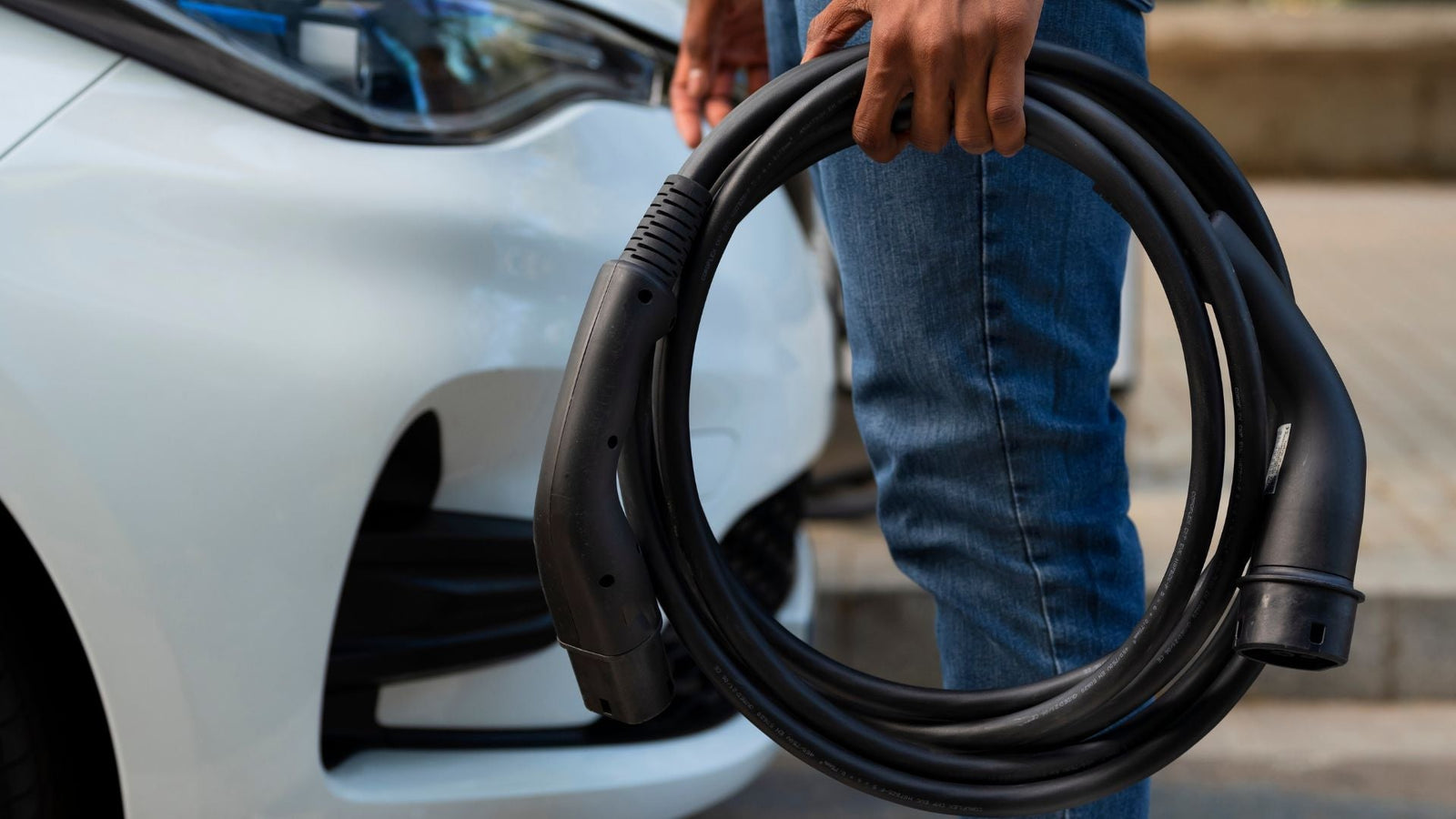

EV charger extension cables can be super handy in India, but choosing the wrong one can be risky. This guide covers safety tips, how to select the right cable, and best practices for using them. Think of it like this: your charger is your roti maker, the extension cable is the belan – get the wrong one, and things can get messy!
So, you've got your new Nexon EV . Congrats! Now comes the fun part: keeping it charged. But what if your charging point is further than the stock cable allows? That's where EV charger extension cables come in. They offer flexibility, but you need to approach them with a bit of caution, especially in Indian conditions.
Why Use an EV Charger Extension Cable?
Let's face it, sometimes the electrician didn't quite put the charging socket where you need it. Or maybe you're in a society parking spot where the plug point is shared and a bit far. Extension cables can solve these problems. They're useful when:
- Your EV charger's cable doesn't reach the charging port.
- You need a temporary charging solution in a different location.
- You want more flexibility in positioning your EV while charging.
But before you rush out and buy the cheapest cable you can find on Amazon, let’s talk safety. Cutting corners here can be a recipe for disaster – think melted plugs, tripped breakers, or worse.
Safety First: The Golden Rules of EV Charger Extension Cables
Safety is paramount. Electricity is no joke, especially with the higher power demands of EV charging. Keep these points in mind:
1. Check the Amperage Rating
This is the most important thing. Your extension cable *must* be rated for at least the same amperage as your EV charger. Check the charger's specifications – it's usually printed on a sticker near the plug. If your charger is 16A, the extension cable must be rated for 16A or higher. Using a lower-rated cable is a fire hazard. Think of it like using a thin straw to drink a thick lassi – it’s going to struggle!
2. Use Heavy-Duty Cables
Don't skimp on quality. Look for heavy-duty cables made with thick copper wires. These can handle the heat generated during charging, especially in the Indian summer. A good cable will feel substantial and well-insulated.
3. Avoid Overloading
Never plug other appliances into the same extension cable while charging your EV. EVs draw a lot of power, and overloading the cable can cause it to overheat and potentially start a fire. One EV, one cable, one socket – that's the rule.
4. Inspect Regularly
Before each use, check the cable for any signs of damage, such as cuts, cracks, or frayed wires. If you see any damage, don't use the cable. Get it repaired or replaced by a qualified electrician.
5. Keep it Dry
Water and electricity don't mix. Protect the extension cable and its connections from rain, puddles, and other sources of moisture. If it gets wet, dry it thoroughly before using it again. This is especially important during the monsoon season.
6. Avoid Permanent Use
Extension cables are meant to be temporary solutions. If you find yourself using one regularly, it's a sign that you need to install a dedicated charging point closer to your parking spot. Talk to your society RWA about getting proper EV charging infrastructure installed.
Choosing the Right EV Charger Extension Cable for India
Okay, so you know the safety rules. Now, how do you pick the right cable? Here's what to look for:
- Amperage Rating: As mentioned earlier, match or exceed your charger's amperage
- Cable Length: Choose a length that's long enough to reach your EV comfortably, but not so long that it becomes a tripping hazard. 5 meters is often a good starting point.
- Weather Resistance: Look for cables that are rated for outdoor use and can withstand the elements, including rain, dust, and extreme temperatures.
- Plug Type: Make sure the plug on the extension cable is compatible with your charging socket. In India, you'll typically find 16A or 32A plugs.
Extension Cable Usage: Best Practices
Got your cable? Great! Here’s how to use it properly:
- Unwind the Cable: Always fully unwind the extension cable before using it. Coiled cables can overheat.
- Secure Connections: Make sure the plugs are fully inserted into the sockets. Loose connections can cause arcing and overheating.
- Avoid Kinks and Bends: Don't bend the cable sharply or allow it to get kinked. This can damage the wires inside.
- Monitor the Cable: During charging, check the cable periodically to make sure it's not getting excessively hot. If it is, stop charging and investigate.
- Store Properly: When not in use, store the cable in a cool, dry place. Coil it neatly to prevent damage.
The Cost Factor: INR and Reality
A decent EV charger extension cable in India will set you back anywhere from ₹1,500 to ₹5,000, depending on the length, amperage rating, and quality. Don't be tempted to go for the cheapest option – it's not worth the risk. Think of it as an investment in your EV's safety and your peace of mind.
Alternatives to Extension Cables
Sometimes, an extension cable isn't the best solution. Here are a couple of alternatives to consider:
- Relocate Your Charging Point: If you're constantly using an extension cable, it might be worth having an electrician move your charging point closer to your parking spot. This is the safest and most convenient option in the long run. Expect to pay anywhere from ₹3,000 to ₹10,000 for this, depending on the complexity of the wiring.
- Use a Longer Charging Cable: Some EV chargers come with the option of using a longer cable. Check with the manufacturer to see if this is possible for your model.
Final Thoughts: Play it Safe, Charge Smart
EV charger extension cables can be a useful tool for EV owners in India, but they need to be used with caution. By following the safety guidelines and choosing the right cable, you can enjoy the convenience of flexible charging without putting yourself or your EV at risk. Remember, a little bit of planning and precaution can go a long way in ensuring a safe and hassle-free EV ownership experience.
Before you buy that extension cable, ask your electrician these questions:
- "What is the maximum safe length of extension cable I can use with my charger?"
- "Can you inspect the cable I'm planning to buy to ensure it meets safety standards?"
Related guides
- DIY Extension Cords for EV Charging: Why It's Dangerous and What to Use Instead
- Jumper Cable in EV Charging: What & Why
Looking for a reliable EV charger?
Explore ZEVpoint home chargers or call our sales team.


